
The proposed project, “Strengthening a Resilient Policy Environment for Agroforestry Advancement in Tanzania (2026–2028)”, is designed to contribute directly to the realization of national and institutional strategies that promote sustainable agriculture, inclusive governance, and climate resilience. At the national level, the project aligns with Tanzania’s Development Vision 2050, which aspires to achieve a high-quality livelihood for all citizens through sustainable use of natural resources and resilient economic systems.
Where we Work
ASILI B-CC operates across
These regions were selected to represent diverse agro-ecological zones and policy environments from the humid highlands of Kagera and Mara to the semi-arid landscapes of Dodoma and Singida and the coastal districts of Lindi and Mtwara.
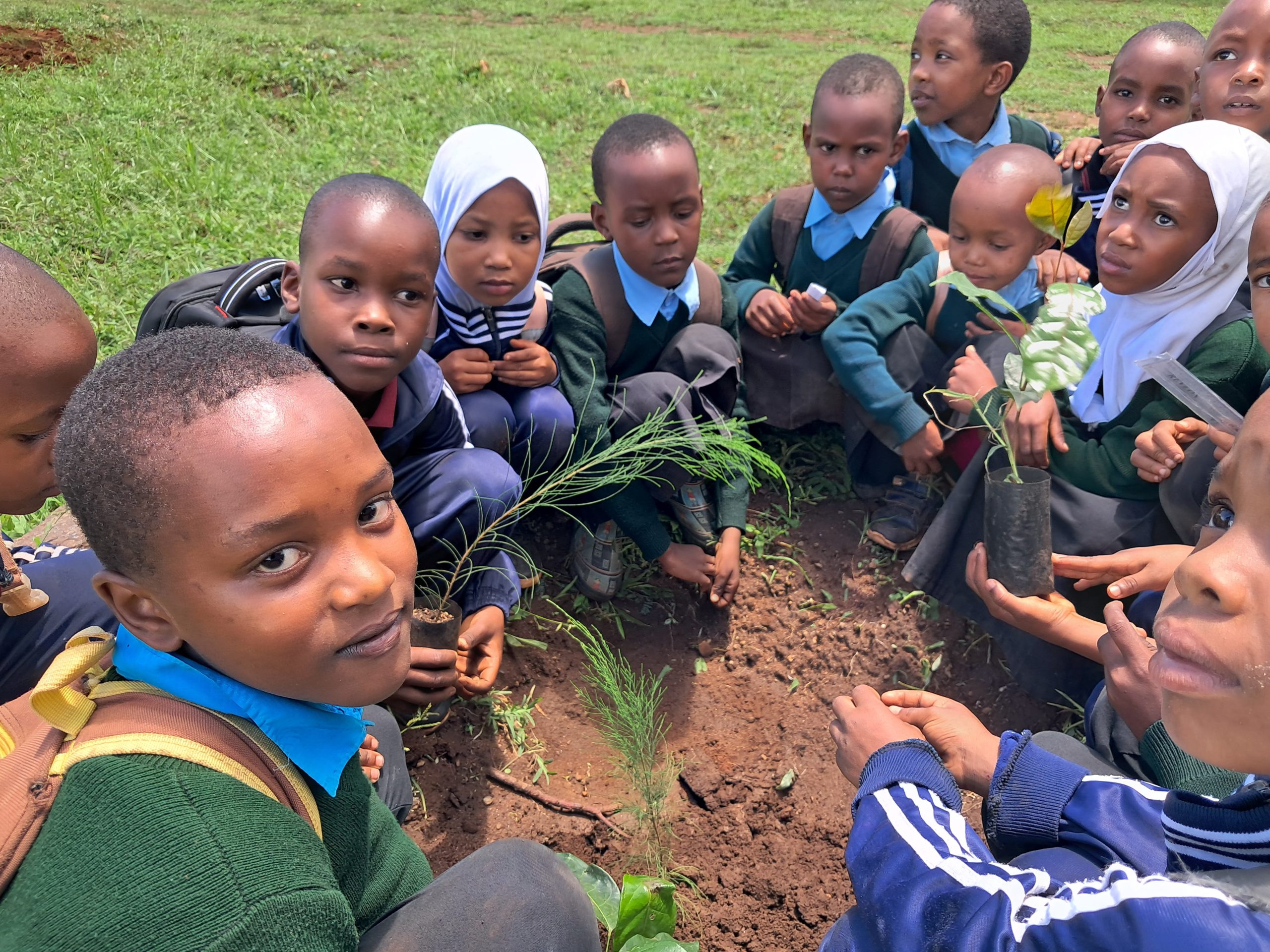
The program aligns with the sustainable development goals 1, 2, 5, 13, and 17. The project’s outcomes are:
Enhanced political will to drive meaningful evidence-based policy change at the local, national, regional and international level to improve the livelihoods of smallholder farmer families.
Enhanced promotion, funding, and implementation of agroforestry policies and strategies by governments.
Citizens collectively engaging to hold the states accountable at local, national, regional, and international levels on matters regarding agroforestry; food security; climate change adaptation, mitigation, and resilience; conservation of biodiversity.
Core Result Areas
Empowering Local Communities
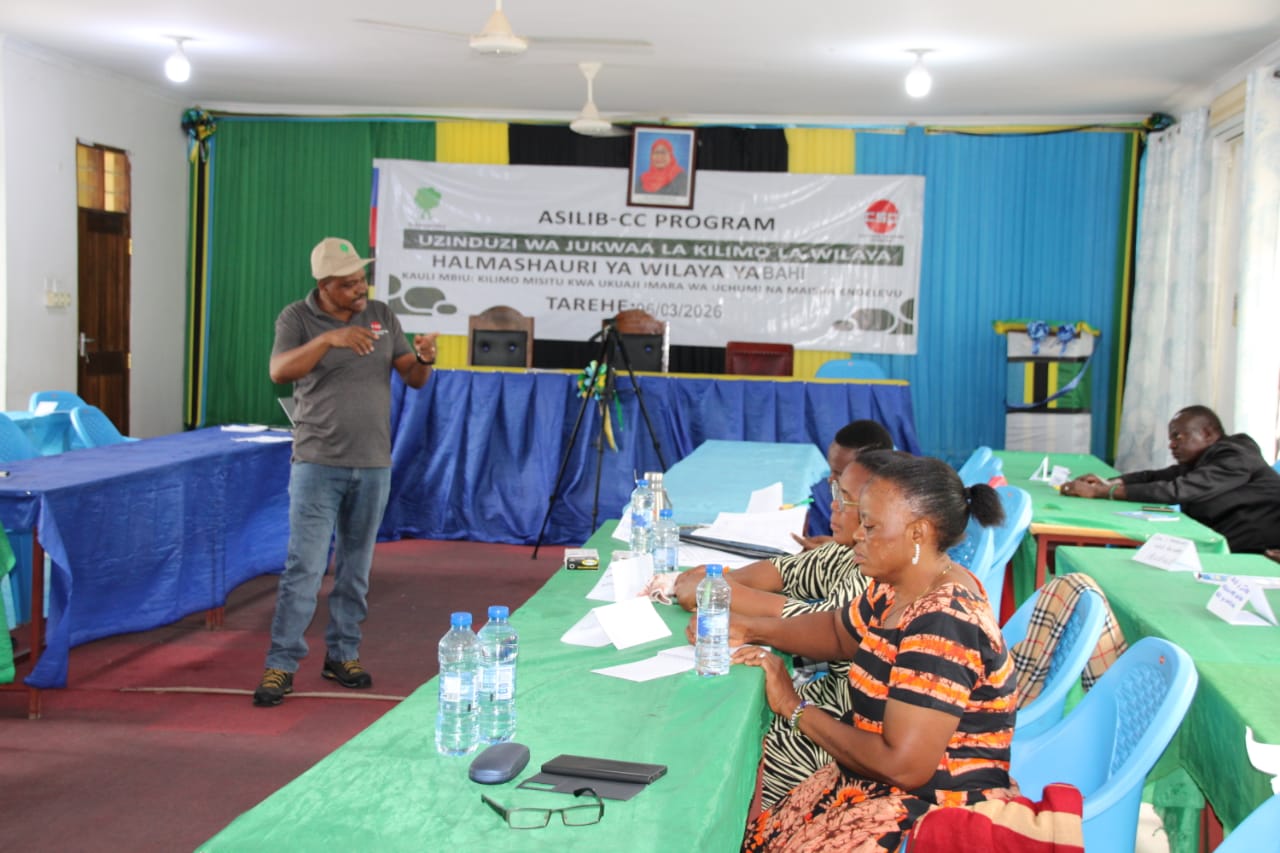
ASILI B-cc works closely with local, regional, and national platforms to ensure inclusive participation. The program empowers women, men, youth, and children to drive positive change in their households, communities, and the environment. Activities include:
Partnership-Driven Implementation
The programme is implemented in collaboration with:
Policy Advocacy: Driving Systemic Change
Advocacy is a central pillar of ASILI B-CC. The Civic Social Protection Foundation (CSP), a technical partner, leads the Policy Advocacy Component under the project:
“Strengthening a Resilient Policy Environment for Agroforestry Advancement in Tanzania”
CSP’s advocacy work covers Mara, Lindi,Mtwara and Dodoma regions, focusing on influencing duty bearers to:
Through this multi-stakeholder approach, ASILI B-C strengthens the enabling environment for smallholder farmers to thrive—ensuring resilient communities and sustainable ecosystems.



+255 716 993 688
exd@csp.or.tz | info@csp.or.tz
Mrara street, Mruki road TTU Regional Building – Ground Floor P.O. Box 515 Babati – Tanzania
Sign up to receive updates about Civic Social Protection Foundation (CSP),
campaigns, and ways to get involved. It’s free to join.