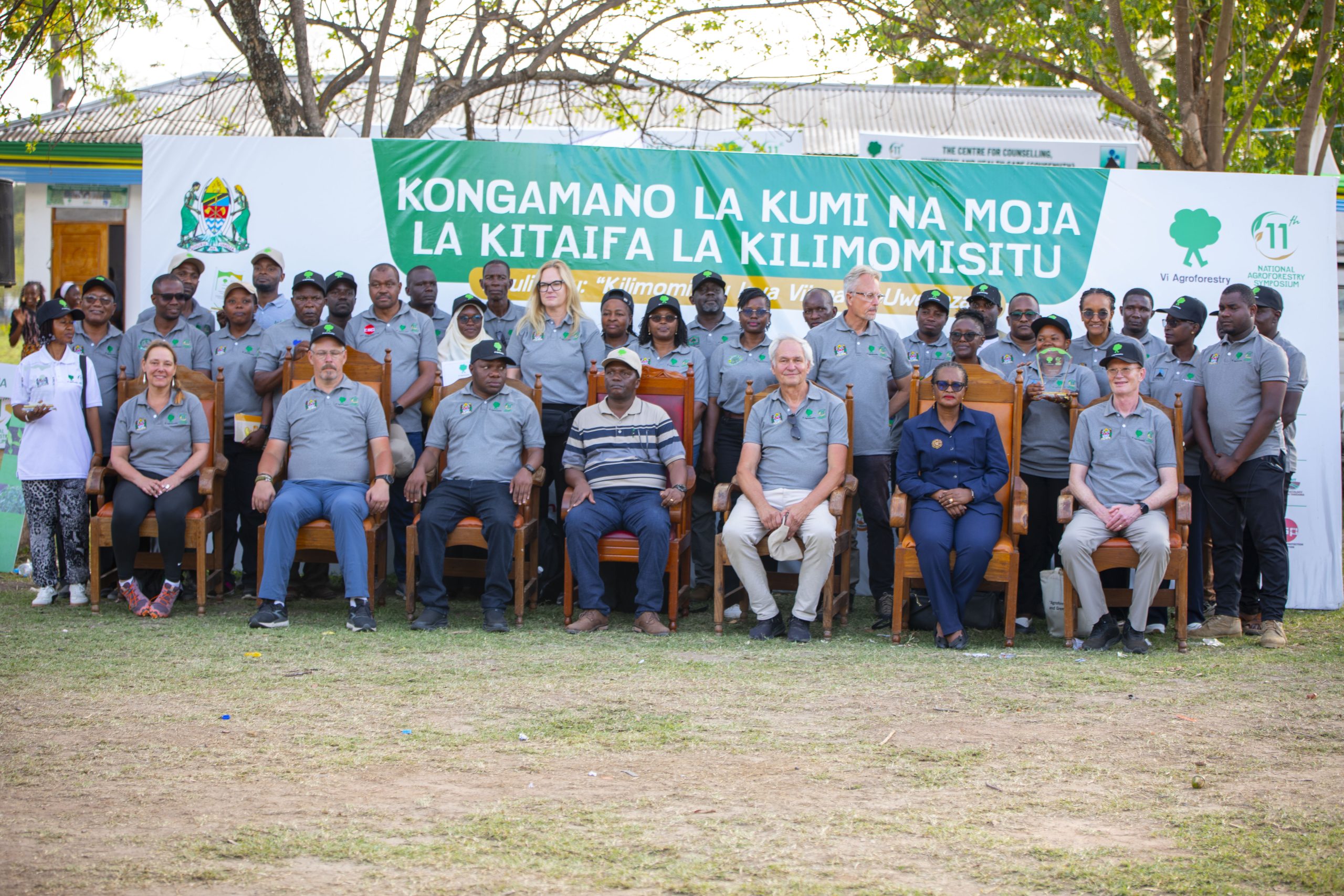
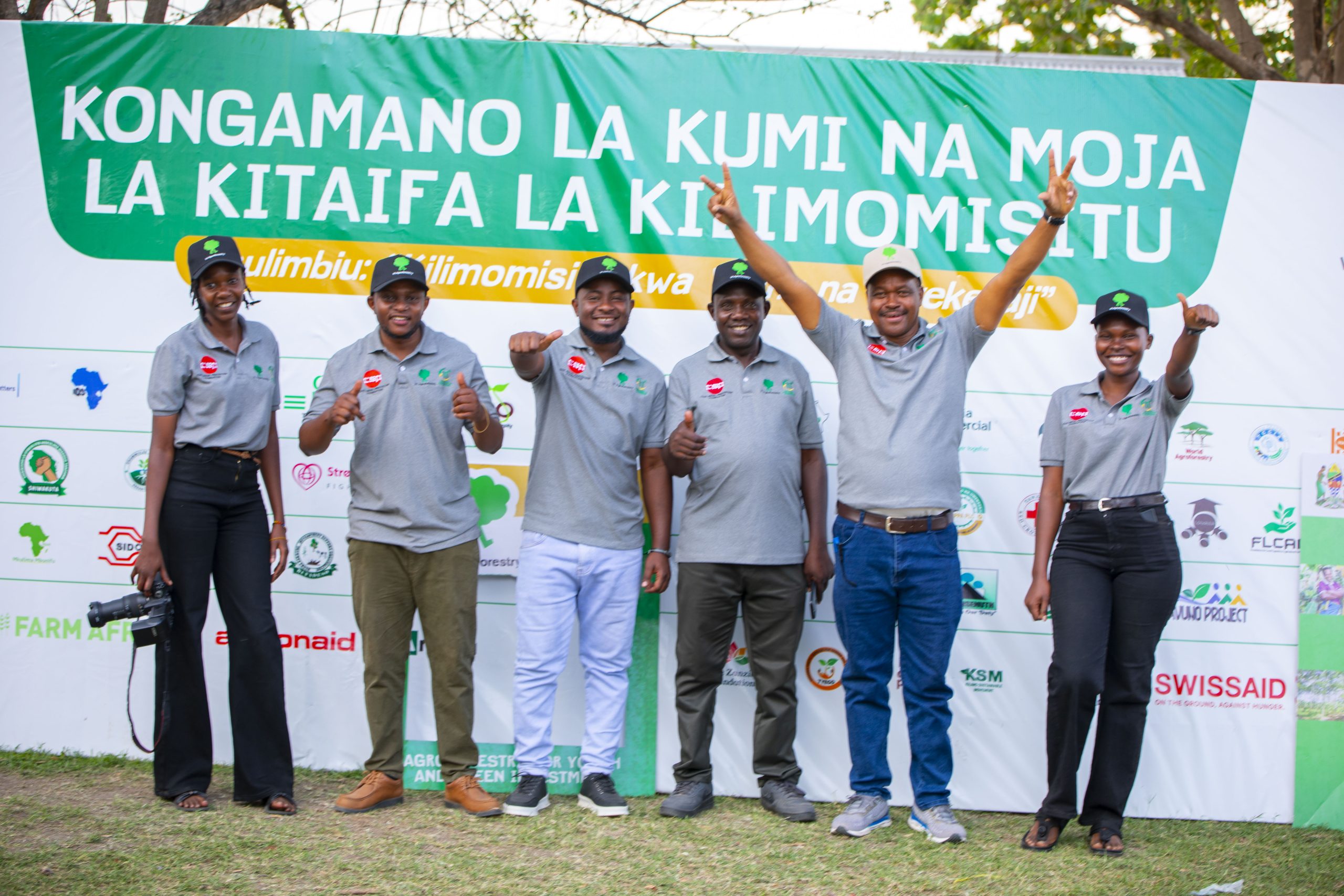
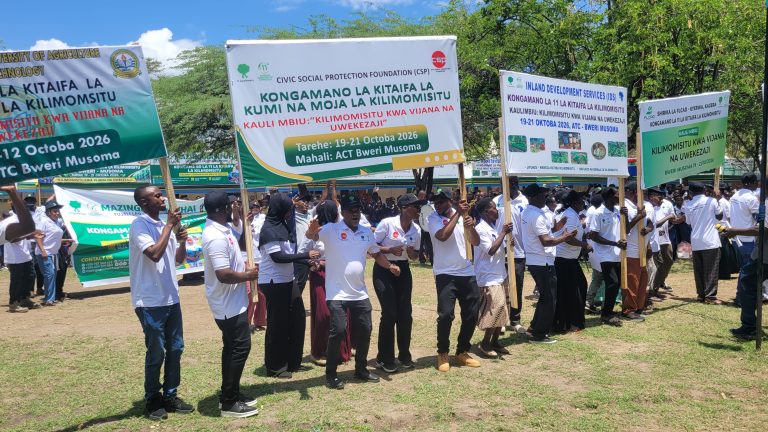
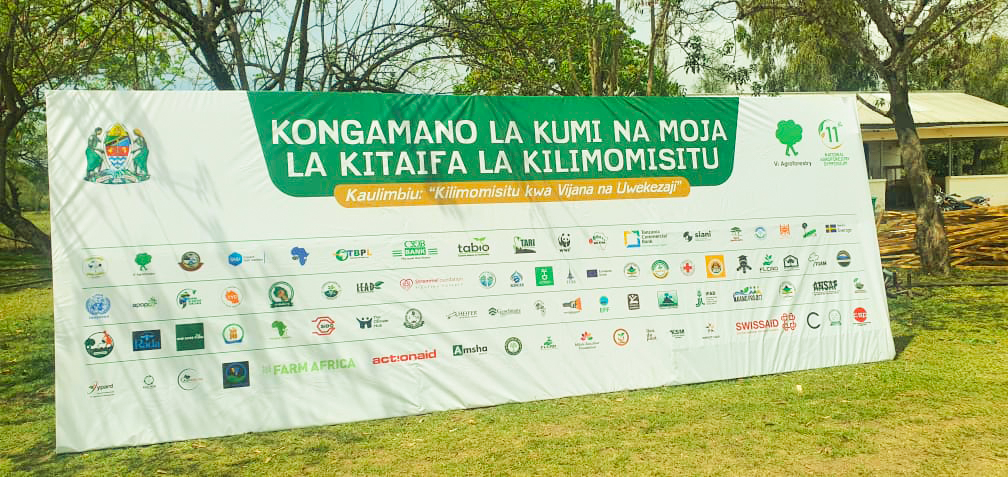
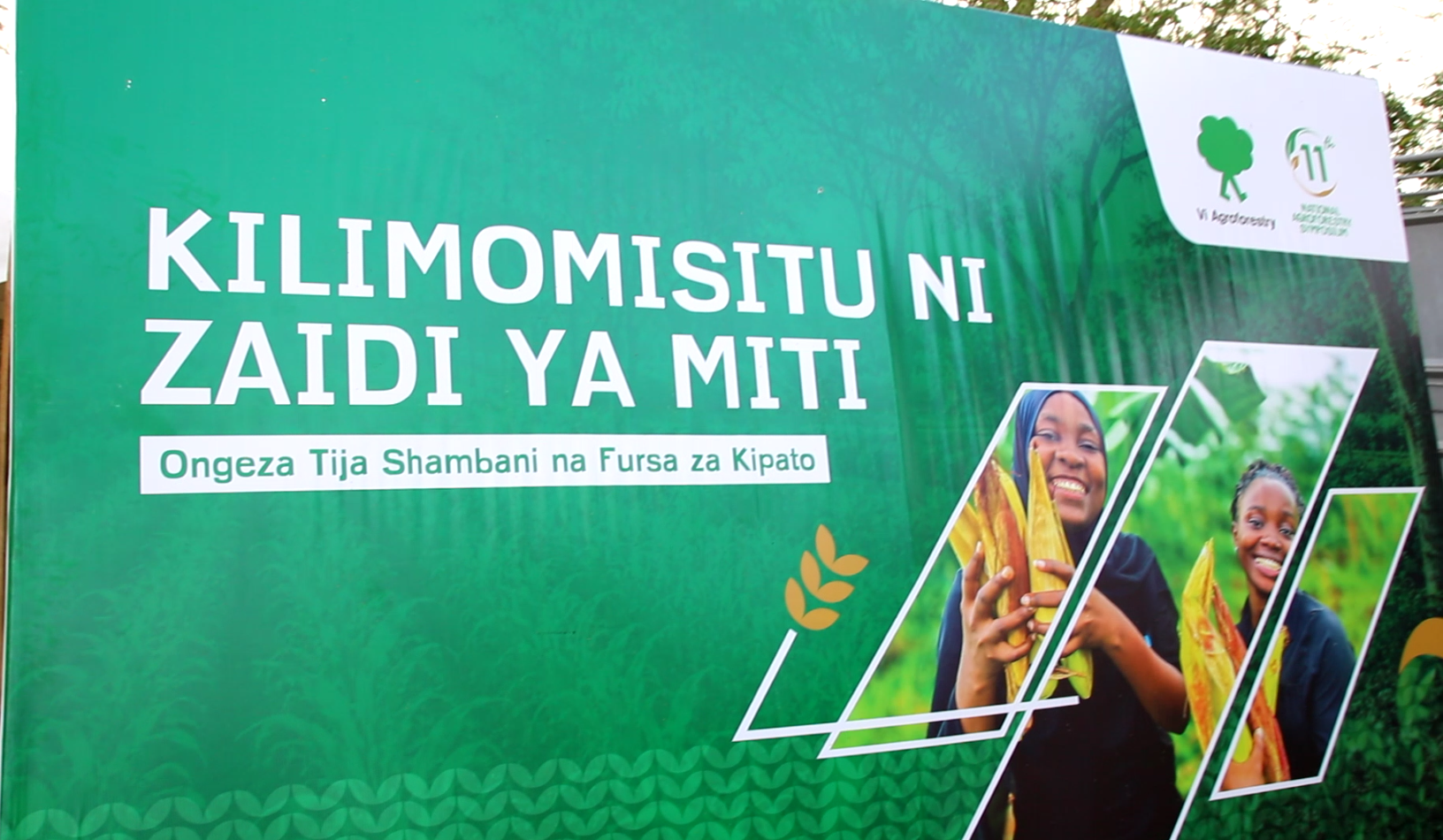
The 11th National Agroforestry Symposium, organized by Vi Agroforestry, was held from 19–21 October 2026 at the Agricultural Training Centre (ATC), Bweri, Musoma, under the theme “Agroforestry for Youth and Green Investment.”
following three days of exhibitions, knowledge sharing, discussions, and learning on the role of agroforestry in promoting sustainable livelihoods, strengthening climate resilience, and creating economic opportunities for young people.
Showcasing Innovation in Agroforestry and Climate Resilience
Throughout the three-day Symposium, official guests are:
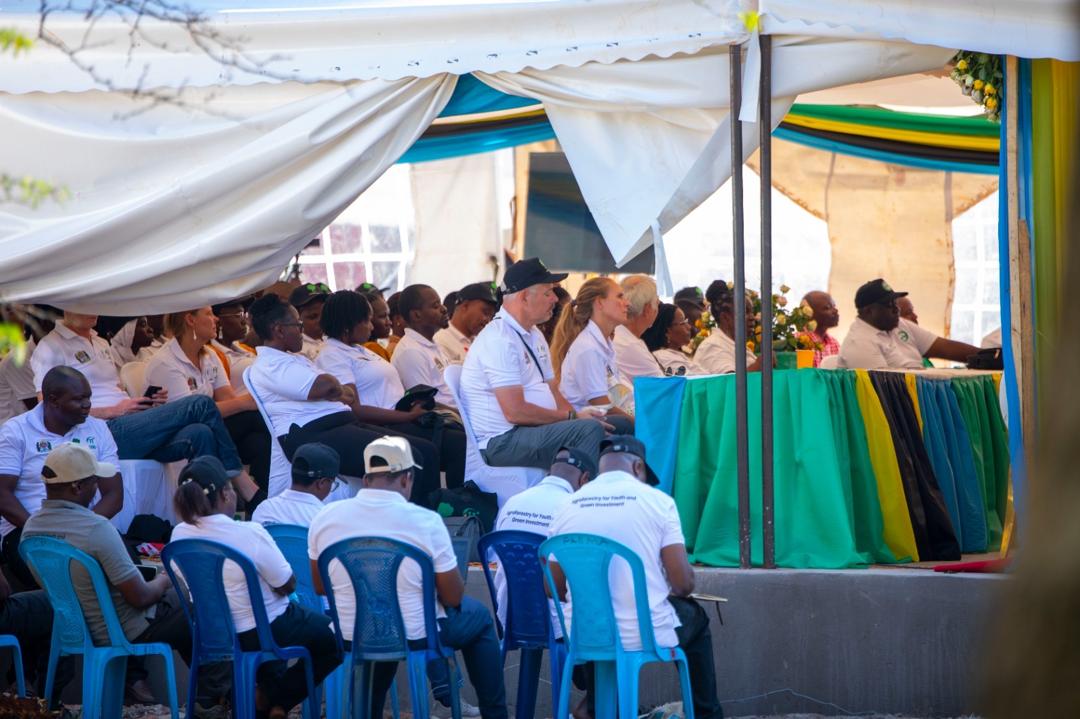
- Day One: The Guest of Honour was Gerald M. Kusaya, the Regional Administrative Secretary (RAS) of Mara Region, who officially opened the 11th National Agroforestry Conference.
- Day Two: The Guest of Honour was Ingrid Jonas.
- Day Three: The Guest of Honour was Evance A. Mtambi, the Mara Regional Commissioner.
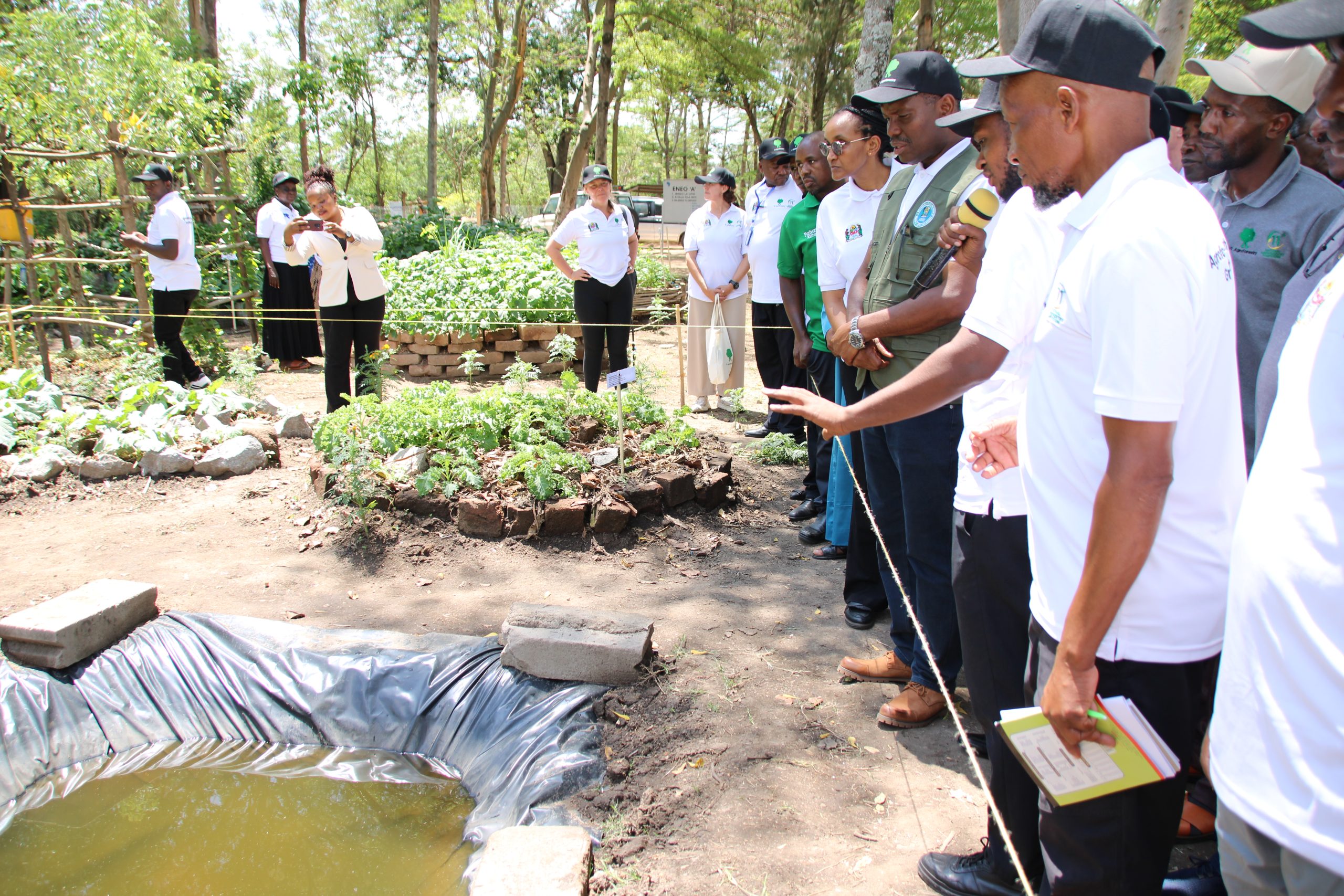
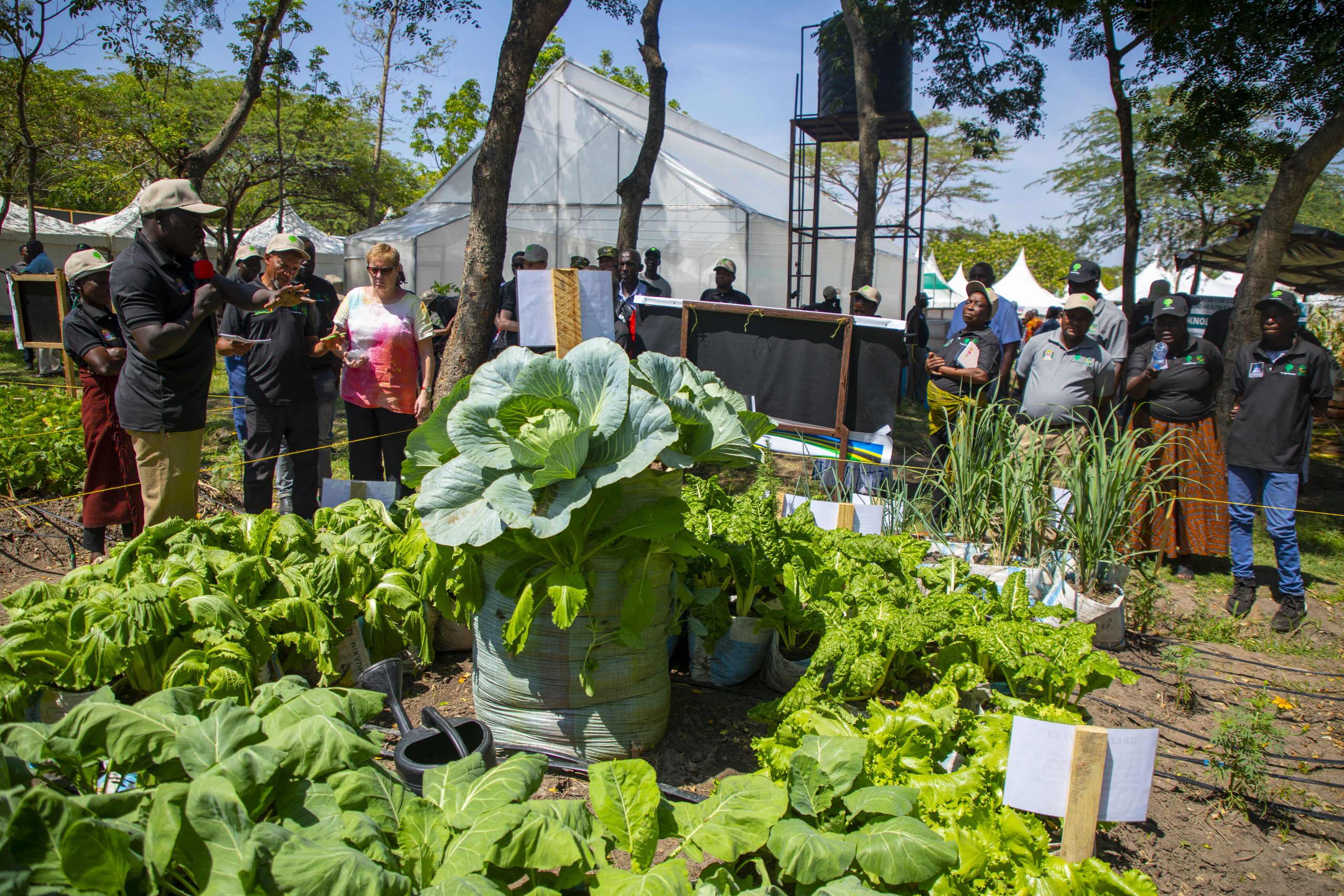
They visited demonstration plots of vegetables and other crops and saw first-hand how farmers are devising new ways to adapt to a changing climate.
What they saw was practical and inspiring. Farmers are using natural, environmentally friendly methods to grow healthy food, protect the land and earn a dependable income from their work.
Tree Planting Campaign at Nyabisare Primary School
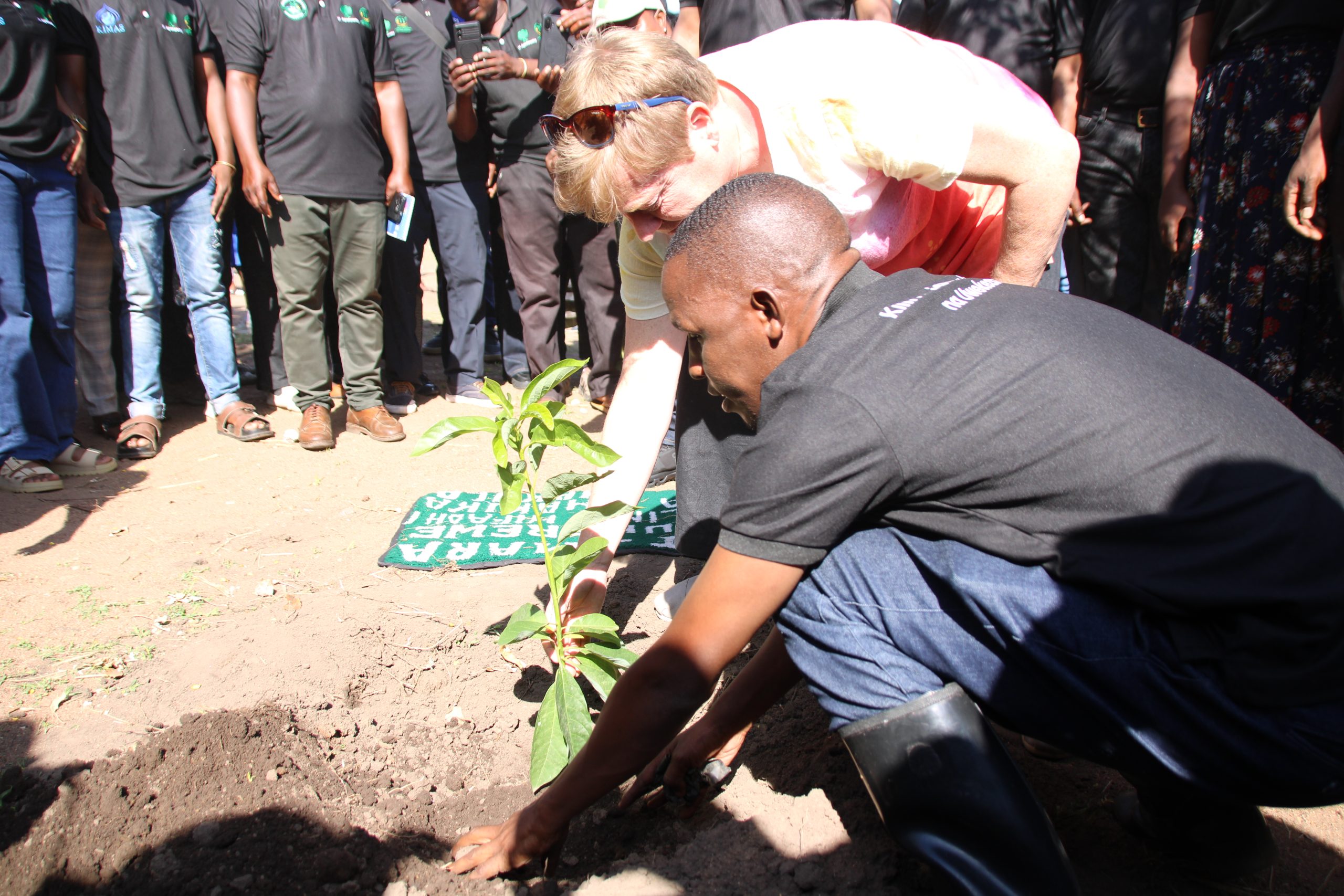
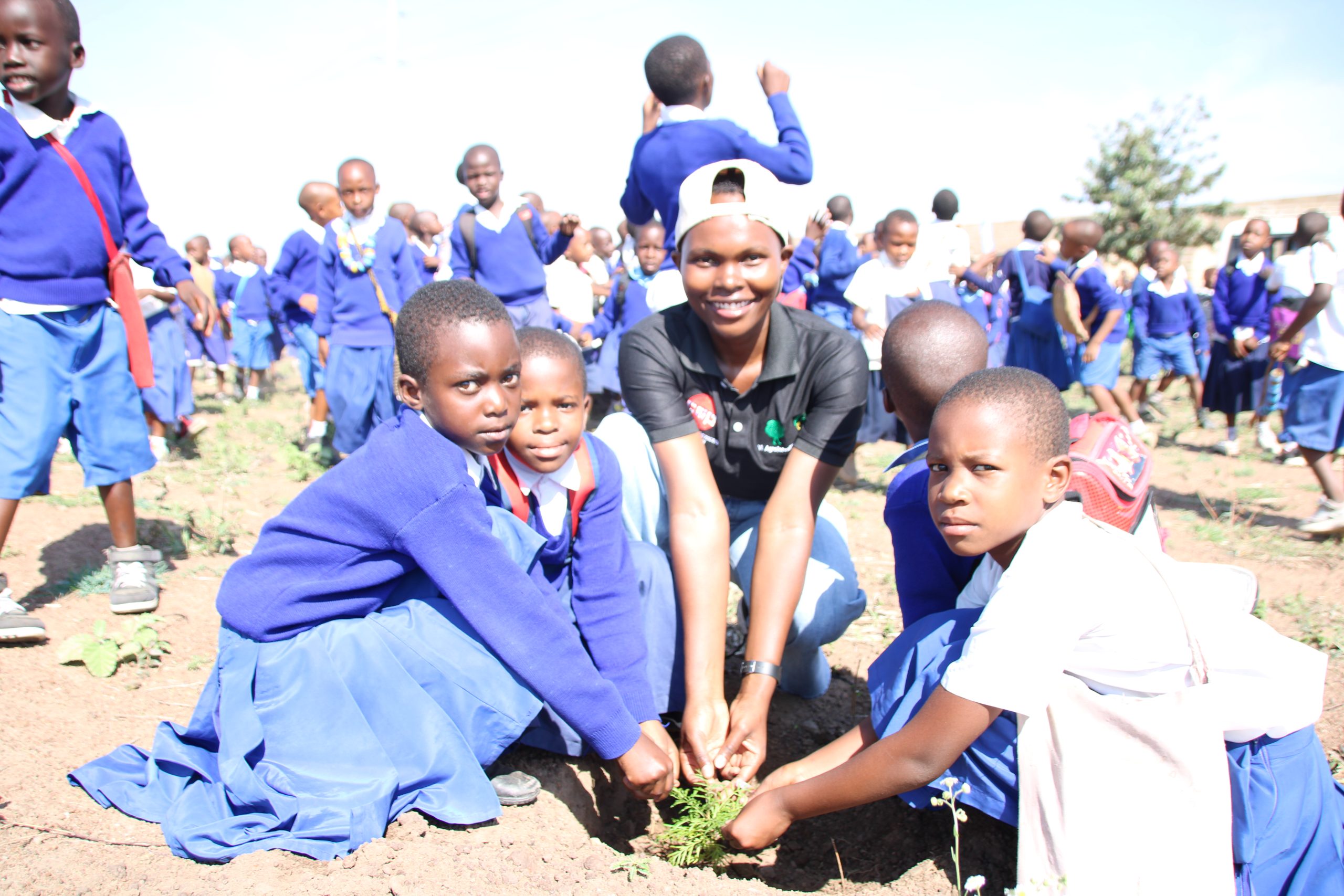
As part of the 11th National Agroforestry Symposium, a tree planting (150,000 tree) exercise was conducted at Nyabisare Primary School in Mara Region. The activity involved planting shade trees and fruit trees to promote environmental conservation, improve the school environment, and raise awareness among pupils about the importance of trees in sustaining biodiversity, also trees were planted as part of restore tree cover, and address the impacts of climate change.
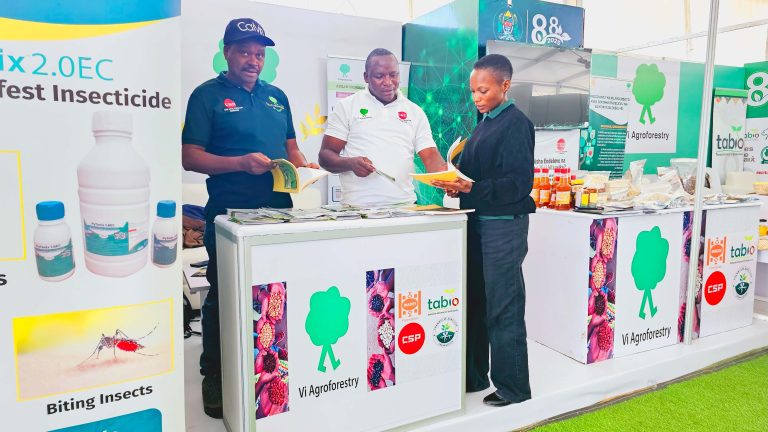
Innovation in Every Stall (Partners pavilion)
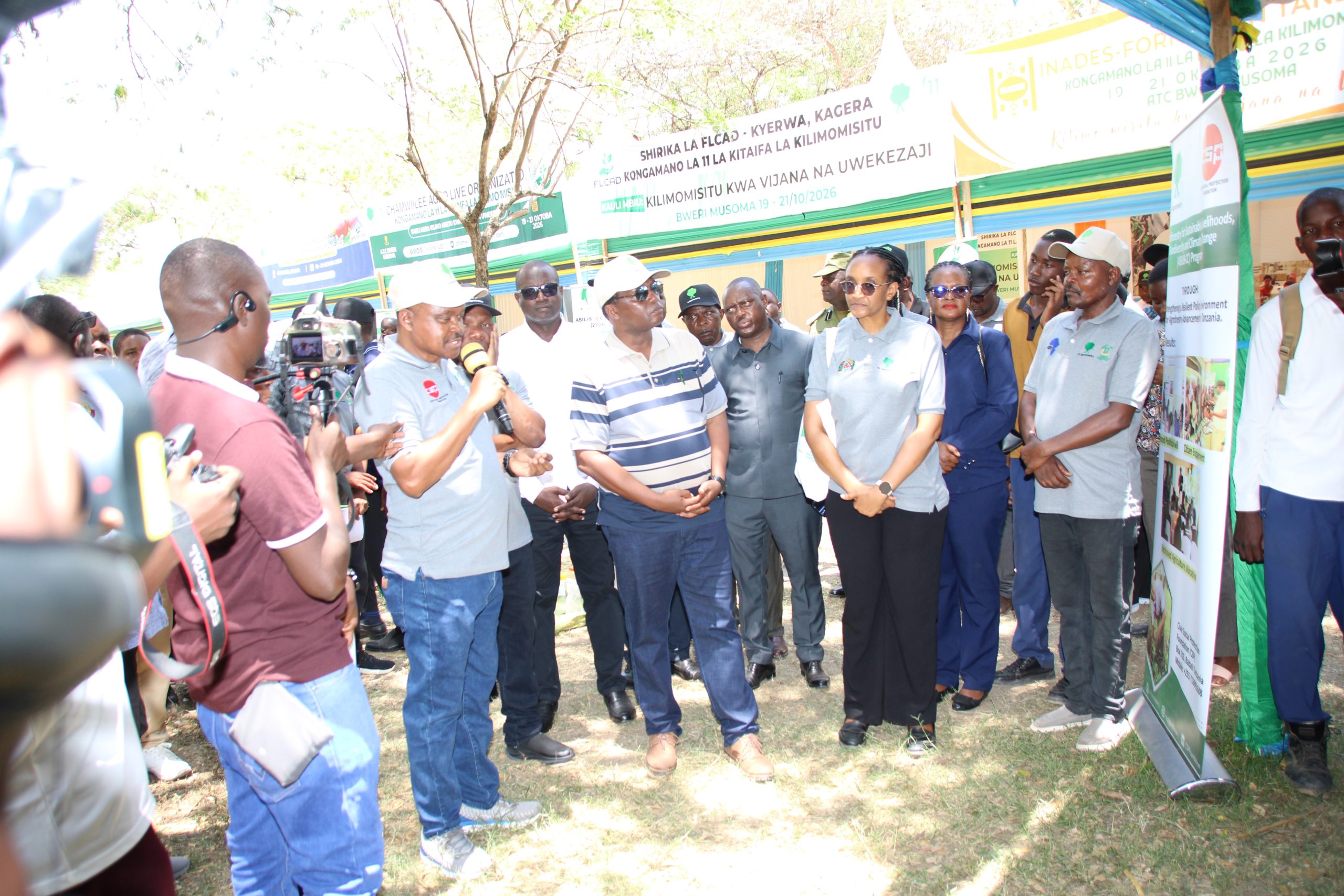
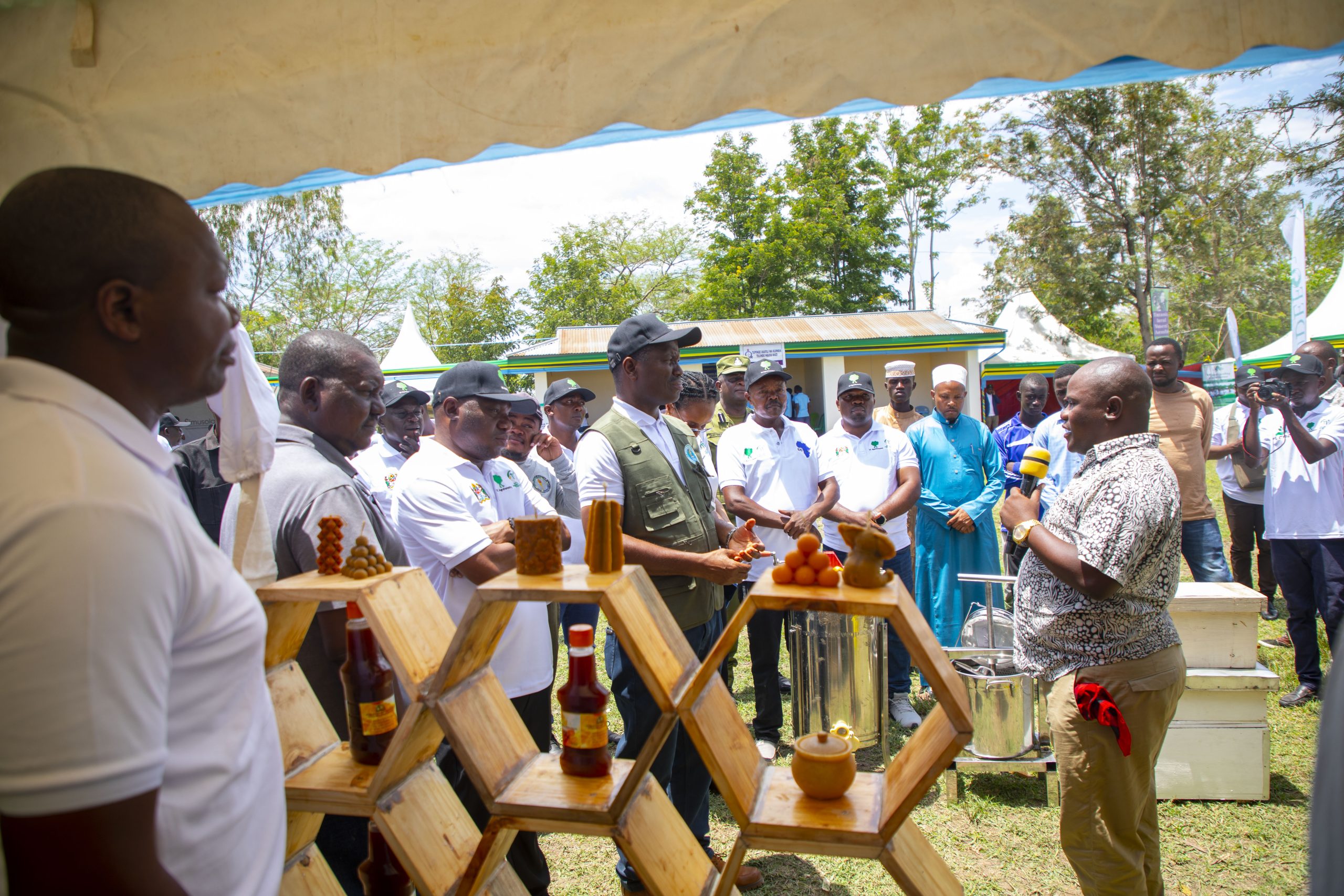
The guests also visited the exhibition stalls (Pavilion). There they met individuals, groups and organizations carrying out their own projects and developing new, natural ways of preserving and storing farm produce.
Post-harvest loss is one of the biggest challenges farmers face. Seeing locally developed, low-cost and natural storage solutions was a reminder that innovation often starts in the community, with people who understand the problem best.
The Knowledge Hub: Learning for the Next Generation
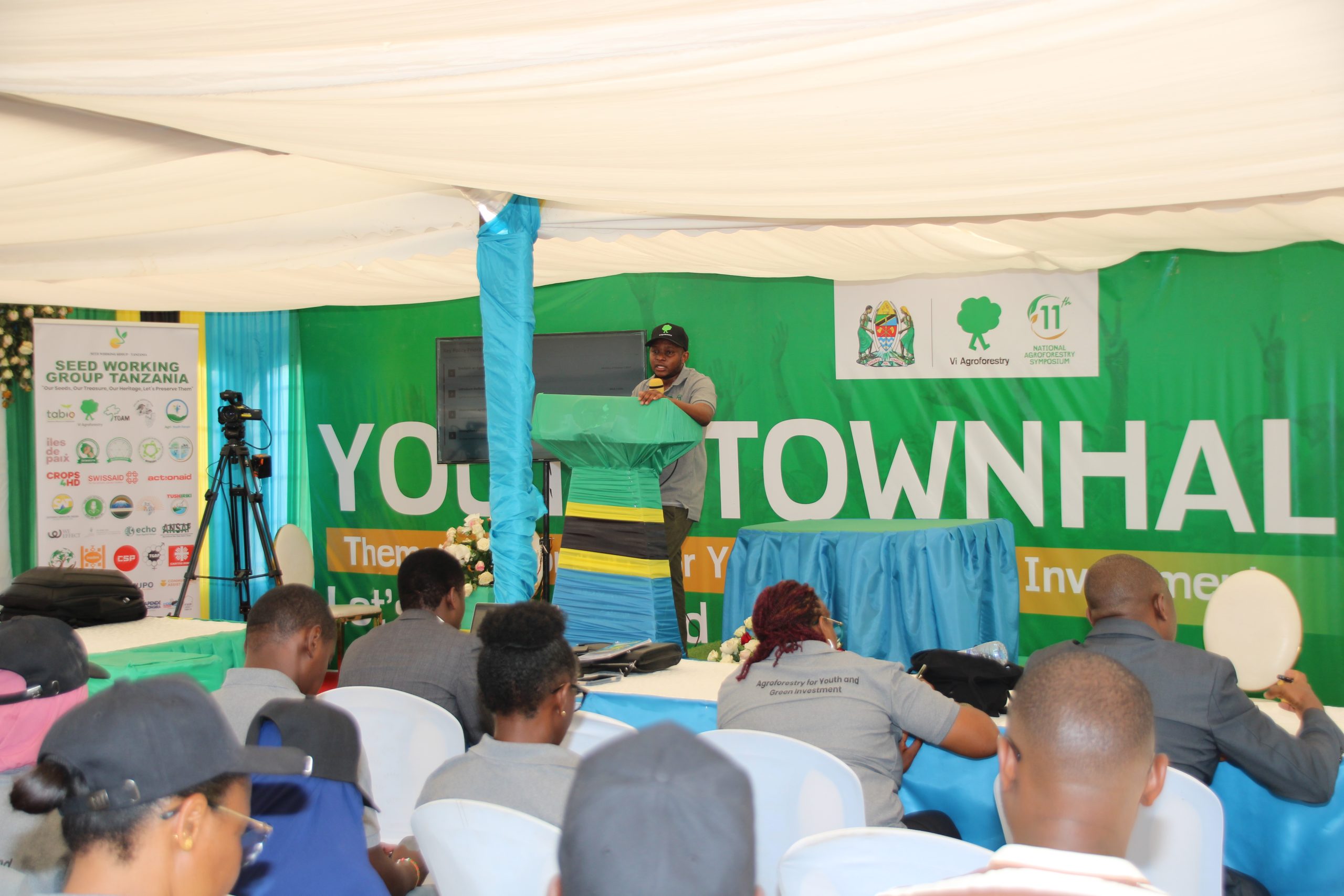
The Knowledge Hub (Banda la Maarifa) was one of the most valuable spaces at the symposium. Visitors learned about agroforestry practices and, in line with the theme, how agroforestry can change the lives of young people.
Young participants were shown the range of opportunities agroforestry offers, from farming and tree-based enterprises to value addition and other business ventures. Many left with a new understanding that agroforestry can be a source of employment, income and independence.
On the third day of the conference, the Knowledge Pavilion hosted by CSP discussions on the 2026/2027 Agricultural Budget and the 2026/2027 Natural Resources and Tourism Budget.
These discussions provided an opportunity to examine sector priorities, the resources required to implement development plans, and the role of stakeholders in ensuring that public budgets support sustainable agriculture, environmental conservation, and community well-being.
CSP’s participation in these discussions reflects its continued commitment to promoting inclusive policies that respond to the needs of smallholder farmers, strengthening public accountability, and empowering citizens with knowledge of the policies and budgetary decisions that affect their livelihoods.
Launch of the Tanzania Agroforestry Stakeholders Platform (TASP)
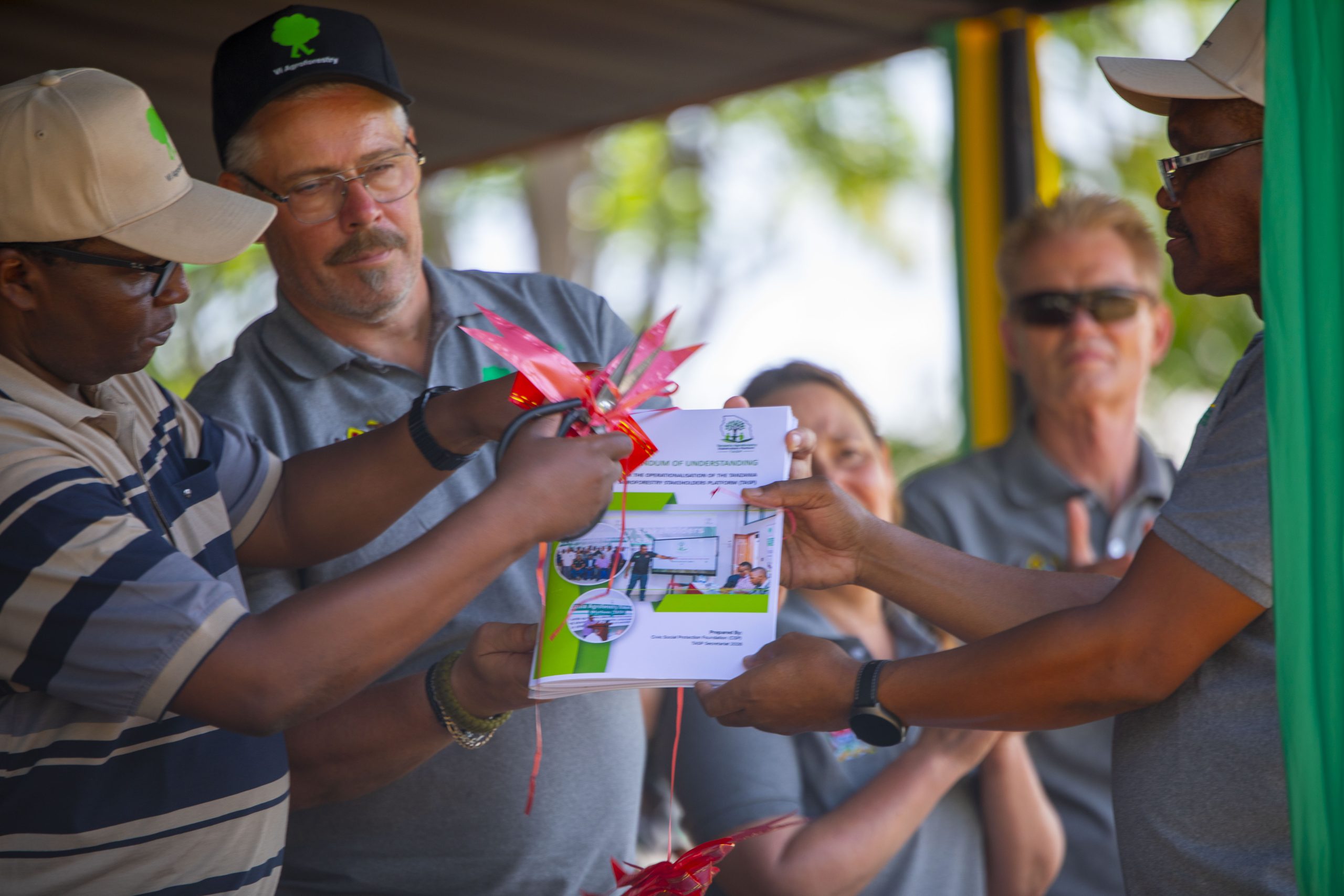
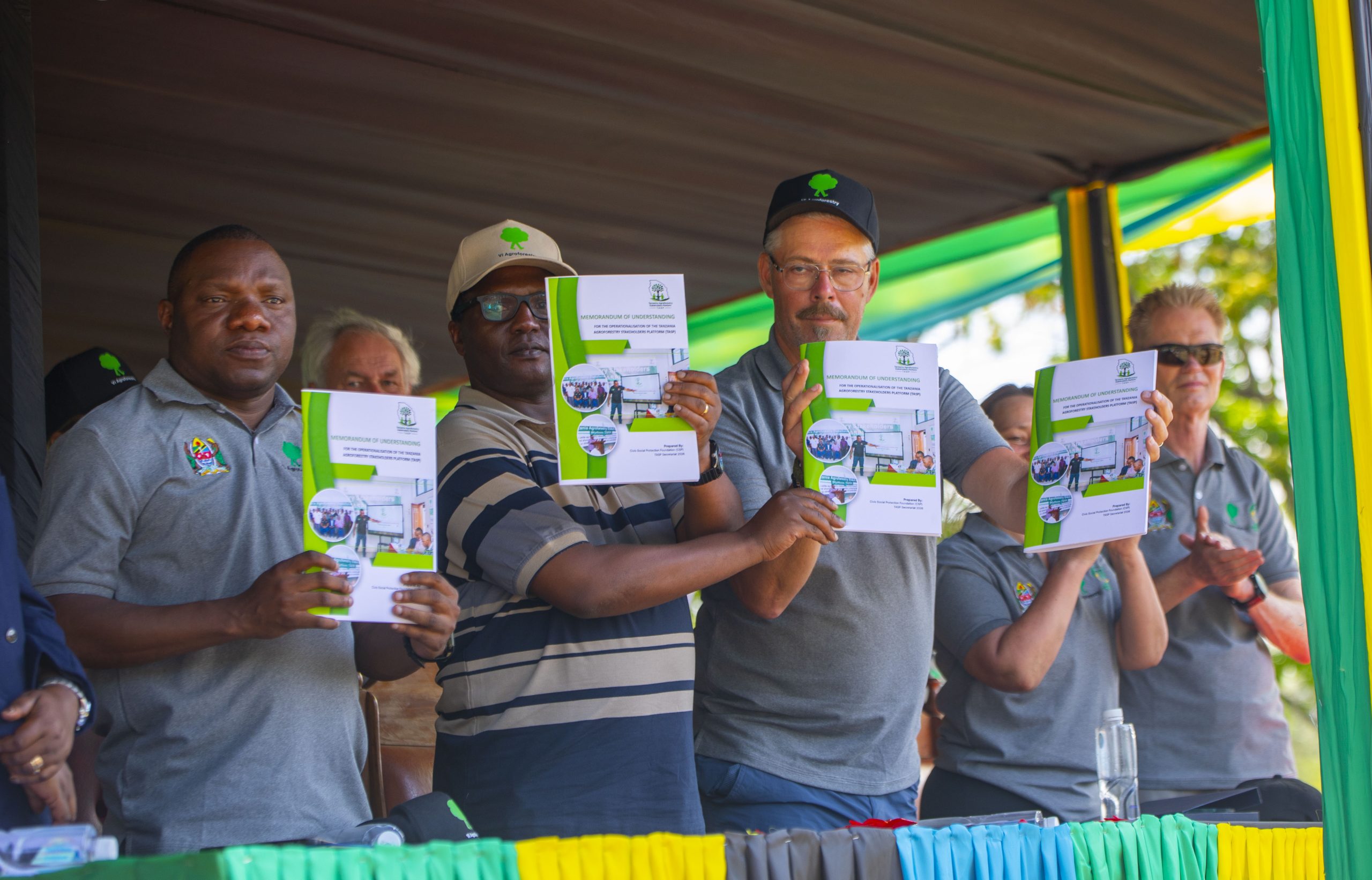
The third day brought a major milestone: the official launch of the Tanzania Agroforestry Stakeholders Platform (TASP). The platform was launched by the Mara Regional Commissioner (Evance A. Mtambi) in collaboration with agroforestry stakeholders, including representatives of CSP and Vi Agroforestry through the ASLI B-CC programme.
The launch also included the signing and unveiling of the Memorandum of Understanding (MoU) of TASP, which sets out the framework for how stakeholders will work together under the platform.
The launch marked an important step towards strengthening coordination and collaboration among stakeholders working to advance agroforestry in Tanzania. TASP provides an opportunity to bring together farmers, government institutions, civil society organizations, the private sector, financial institutions and other stakeholders to:
- share knowledge,
- discuss common challenges,
- promote investment, and
- advance the national agroforestry agenda.
Stronger stakeholder collaboration is essential for creating an enabling policy environment, mobilizing investment, and ensuring that agroforestry is adequately integrated into development plans and into climate change adaptation and mitigation efforts.
Through its participation, CSP recognizes the importance of multi-stakeholder engagement in promoting inclusive policy processes and in ensuring that the voices and priorities of farmers and local communities are considered in agroforestry development.
Mr. Evance A. Mtambi, the Mara Regional Commissioner, emphasized the importance of integrating agroforestry into government programmes. He encouraged the use of indigenous seeds, traditional food processing methods, modern irrigation technologies, and greater youth participation in biodiversity-related opportunities.
He officially closed the 11th National Agroforestry Conference, held under the theme “Agroforestry for Youth and Green Investment,” highlighting the importance of agroforestry in promoting sustainable livelihoods, environmental conservation, and green investment opportunities for young people.
However, unlocking this potential requires continued efforts to improve access to finance, markets, technical knowledge, supportive policies, and public budgets that respond to the needs of farmers and young people.
The syposium concluded with an important message: agroforestry can be a pathway to employment creation, increased income, improved food security, and environmental protection, with young people playing a central role in driving this transformation.
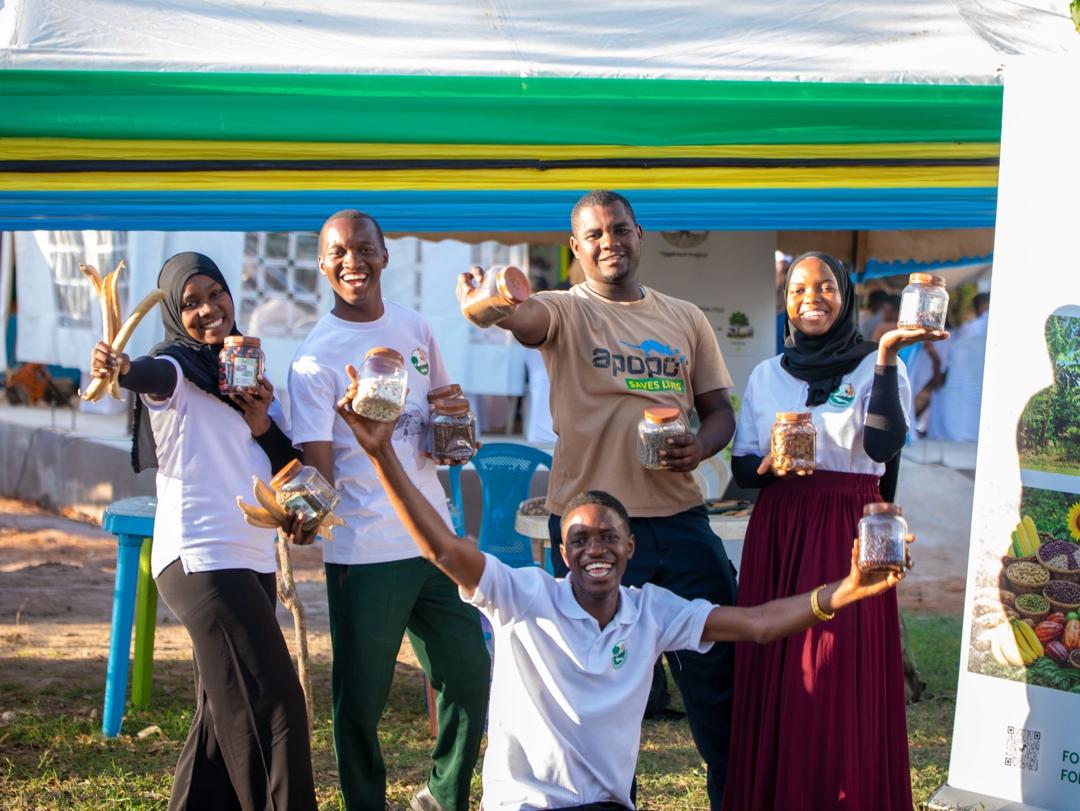
The symposium was engaging, educational and inspiring, but it was more than an exhibition. It lit a path for farmers and, above all, for young people. It showed them that they can create their own employment, build a future in agriculture and grow their livelihoods through agroforestry.
True to its theme, the symposium put youth at the center and showed them the opportunities within reach.
Looking Ahead
CSP thanks Vi Agroforestry for organizing the symposium, and all the farmers, exhibitors, partners, government leaders and participants who made it a success. We remain committed to supporting agroforestry, empowering young people and working with stakeholders through TASP to build resilient communities.
The conversation does not end here. It continues in the fields, in the communities and in the opportunities that young people are now ready to seize.