Incubation Hub Tanzania is a project implemented by CSP with the aim of strengthening the capacity of small-scale farmers’ organizations to grow, operate effectively, and create positive impact for their members and surrounding communities. The project provided technical and institutional support to informal farmer groups, enabling them to register as formal NGOs and enhancing their capacity in organizational management, leadership, project implementation, and resource mobilization. As a result, many of these organizations became self-reliant and successfully attracted donor funding.
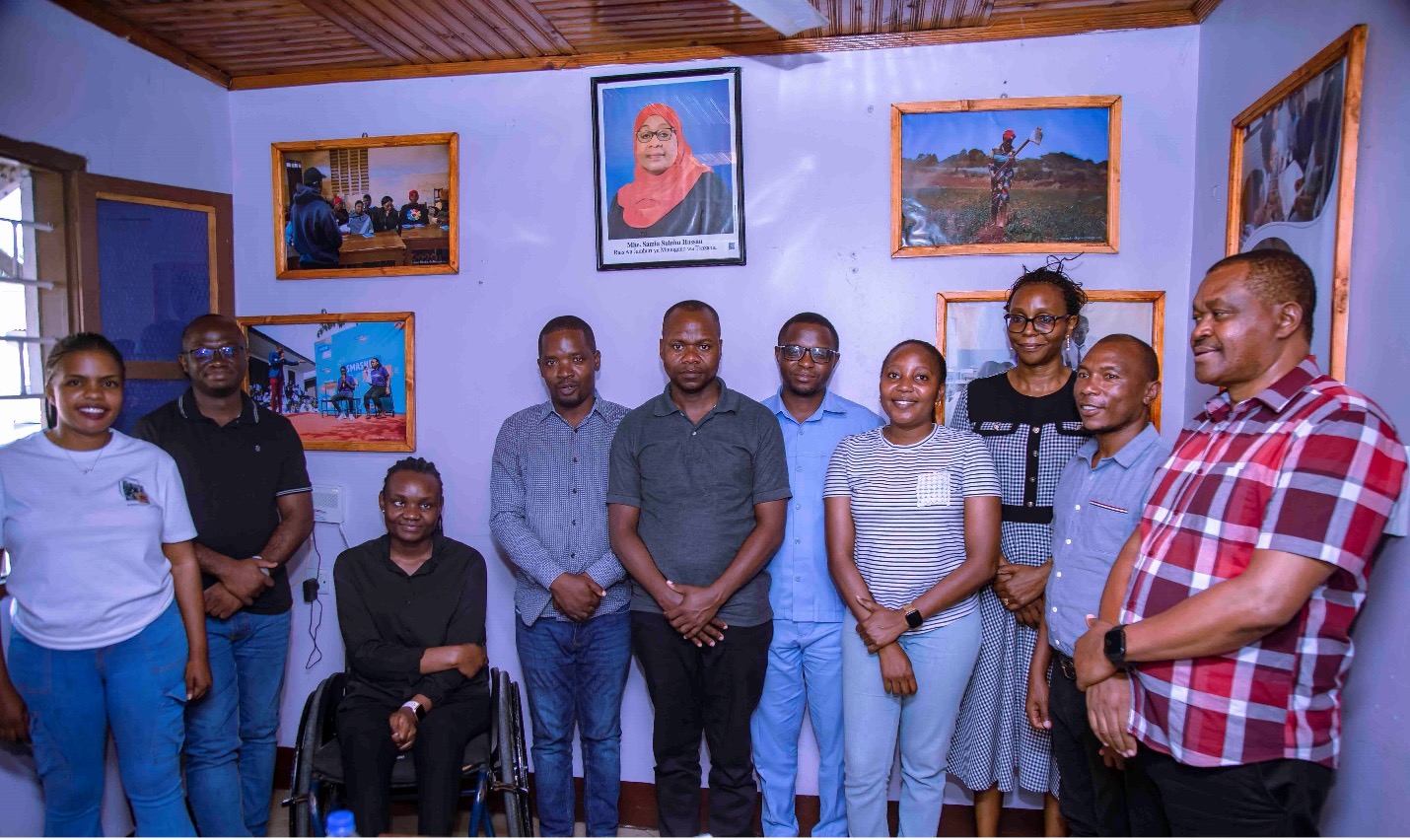
Bridge for Change board members and CSP staff after the board induction
Project Objective
The main objective of the project was to build strong, sustainable, and well-governed farmers’ organizations capable of effectively implementing development initiatives.
Partnership
The project was implemented as a special assignment from Vi Agroforestry, targeting six organizations: Chamwiilee and Smart CC (Dodoma), Bridge for Change (Dar es Salaam), Mazingira ni Uhai (Lindi), and Uhifadhi Mazingira (Mtwara).
Coverage
Geographically, the project was implemented in Dodoma, Dar es Salaam, Lindi, and Mtwara, tailored to the specific development needs of the target organizations.
Key achievements:
Improved Governance: All six Farmer Organizations established more functional and active boards, with clearer roles and responsibilities. Board members now provide strategic direction and oversight, meeting regularly to guide organizational growth.
Strengthened Financial Systems: Organizations adopted formal financial management practices, including improved reporting, accountability, and transparency. The introduction of financial policies and procedures has enhanced credibility and readiness to engage with donors.
Enhanced Management Structures: Functional management teams were established or strengthened, with clearly defined roles such as Executive Directors, Project Officers, and Finance Officers. This has improved day-to-day operations, planning, and implementation of activities.
Institutional Development and Policies: All organizations developed key operational policies (e.g., financial, procurement, HR, and anti-corruption), leading to stronger internal controls and more structured operations.
Increased Organizational Visibility and Capacity: Organizations improved their external presence, documentation, and reporting practices, enabling better engagement with stakeholders and partners.
Overall, the project’s impact is reflected at the organizational level, where strengthened systems, governance, and management capacities have positioned the Farmer Organizations for sustainability, growth, and improved service delivery to their communities.
An assessment exercise is currently being conducted for the organization MAWODEO.