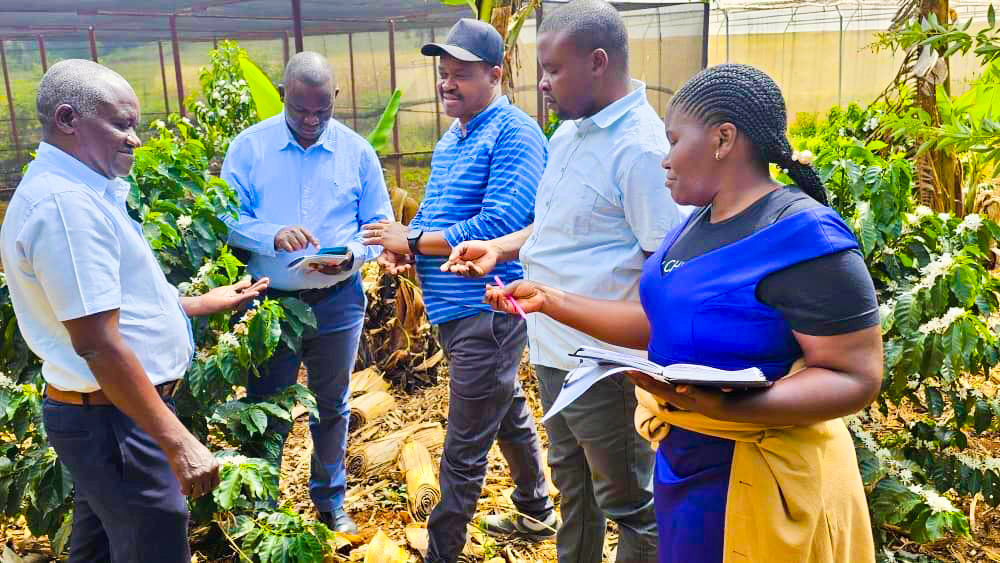
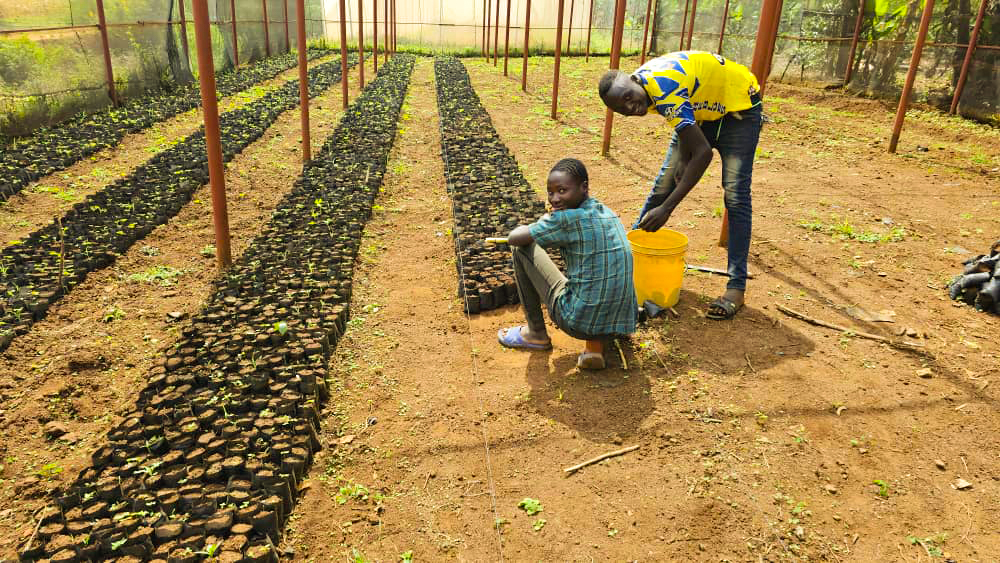
The ASILI-B Programme was a flagship initiative by Vi Agroforestry, focused on transforming the lives of smallholder farmers in Tanzania through sustainable agriculture, climate action, and inclusive development. Running from 2023 to 2025, the program aimed to improve food and nutrition security, sustainable livelihoods, gender equality, and climate change resilience, while also enhancing biodiversity conservation.
Where We Work
ASILI-B operated across nine districts in 4 regions of Tanzania:
Summary of Beneficiaries Across Implementation Phases (ASILI-B Programme 2023–2025)
| Phase | Duration | Women Beneficiaries | Men Beneficiaries |
|---|---|---|---|
| Phase 1 | August 2023 – July 2024 | 2,110 | 1,768 |
| Phase 2 | August 2024 – July 2025 | 3,369 | 2,551 |
| Phase 3 | August 1 – August 31, 2025 | 10,107 | 7,653 |
| Phase 4 | July 2025 – December 2025 | 6,568 | 5,072 |
| Total | 2023 -2025 | 22,154 | 17,044 |
Our Objective
The programme directly aligns with several Sustainable Development Goals (SDGs), including No Poverty (SDG 1), Zero Hunger (SDG 2), Gender Equality (SDG 5), Climate Action (SDG 13), and Life on Land (SDG 15). The main goals are to:
Core Result Areas
Empowering local communities
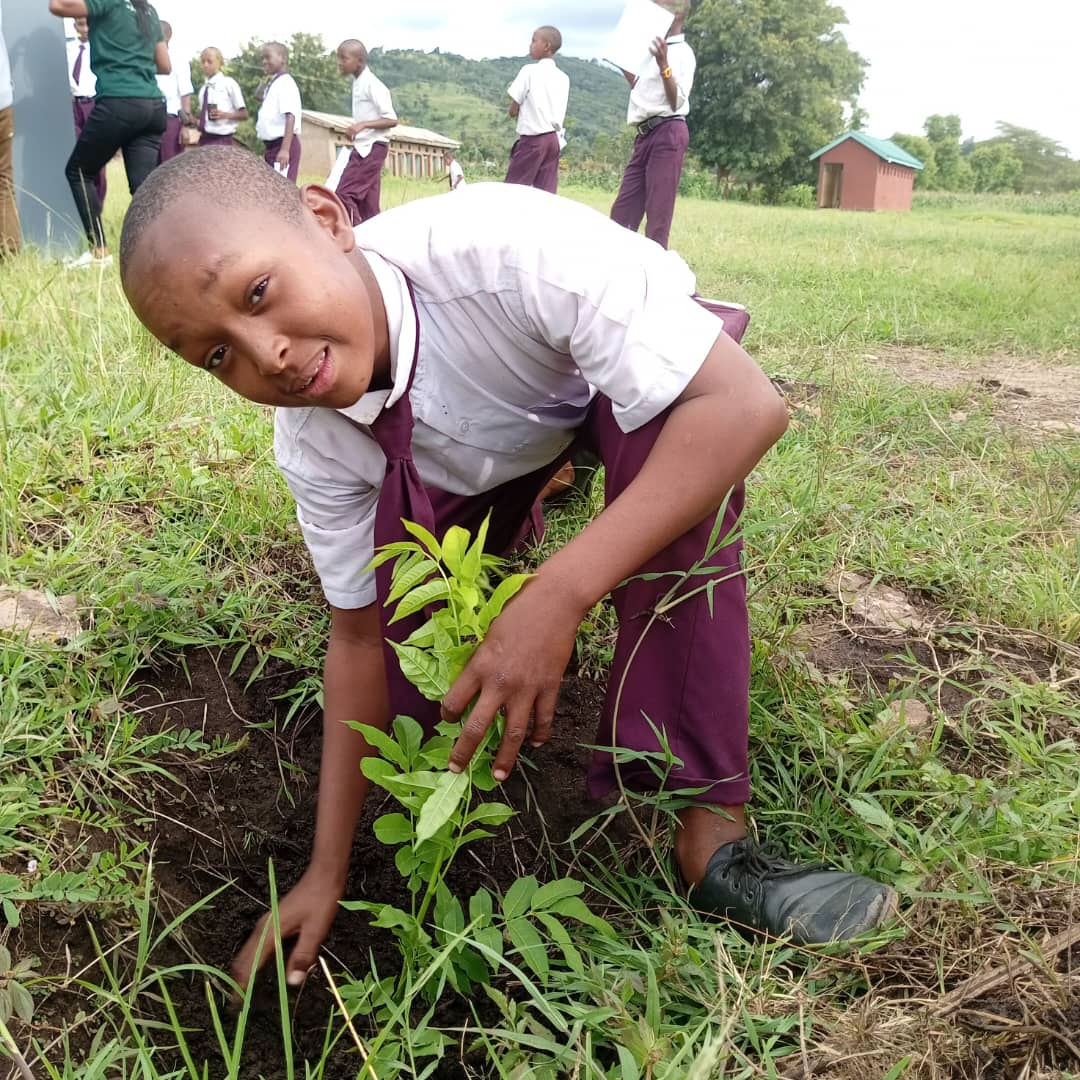
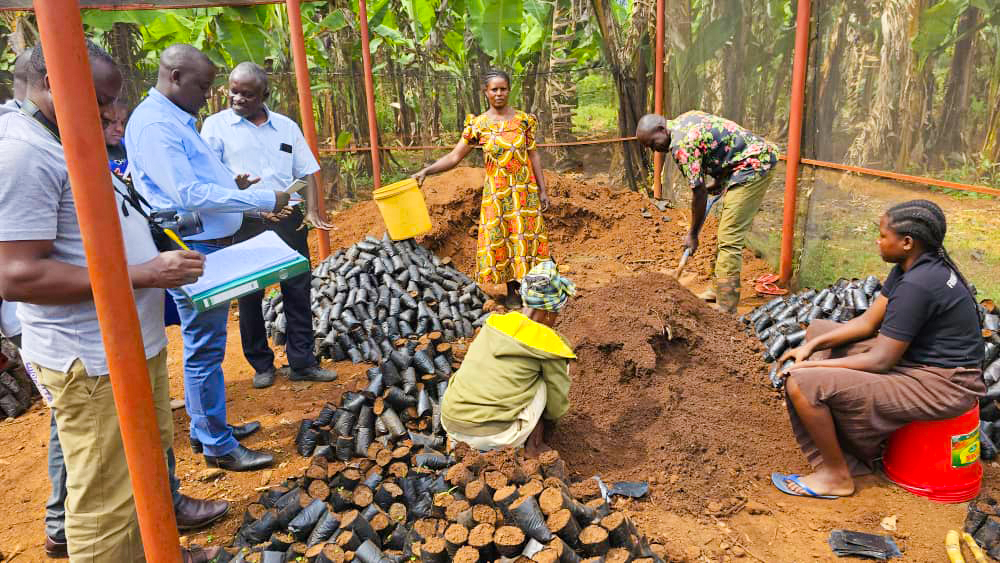
ASILI-B worked closely with local, regional, and national platforms to ensure inclusive participation. The programme empowered women, men, youth, and children to drive positive change in their households, communities, and the environment. Activities included:
Partnership-Driven Implementation
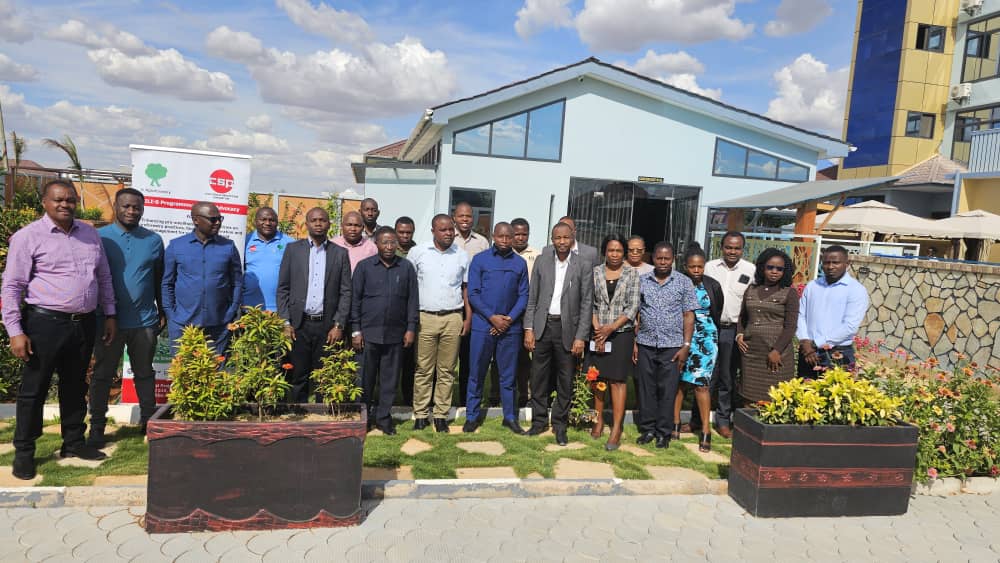
The programme was implemented in collaboration with:
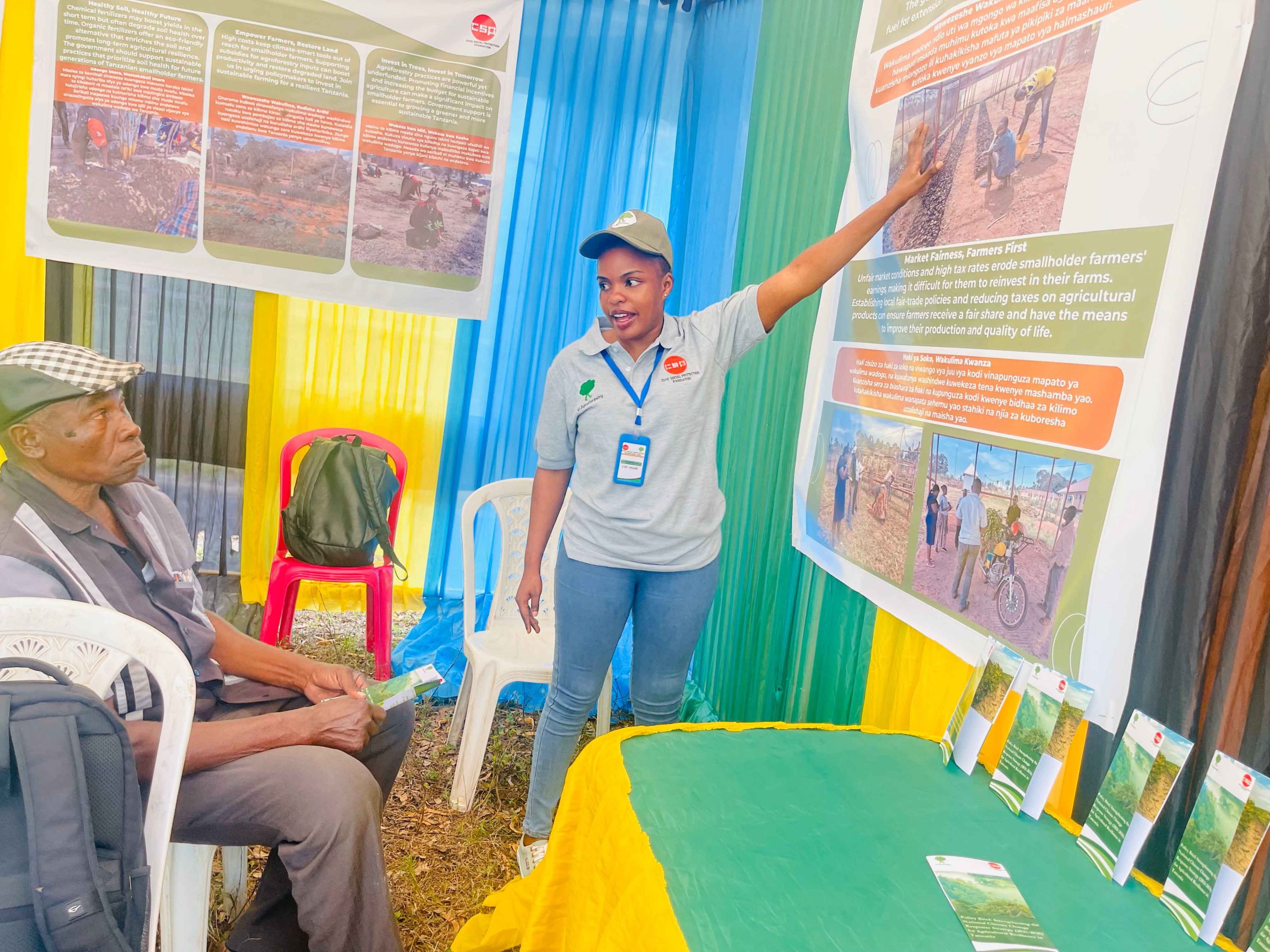
Policy Advocacy: Driving Systematic Change
Advocacy was a central pillar of ASILI-B. The Civic Social Protection Foundation (CSP), a technical partner, led the Policy Advocacy Component under the project:
“Enhancing Pro-Smallholder Farmers Policies on Agroforestry Practices, Biodiversity Restoration, and Management for Sustainable Livelihoods.”
CSP’s advocacy work covered Mara, Kagera, and Dodoma regions, focusing on influencing duty bearers to:
Through this multi-stakeholder approach, ASILI-B strengthened the enabling environment for smallholder farmers to thrive—ensuring resilient communities and sustainable ecosystems.



+255 716 993 688
exd@csp.or.tz | info@csp.or.tz
Mrara street, Mruki road TTU Regional Building – Ground Floor P.O. Box 515 Babati – Tanzania
Sign up to receive updates about Civic Social Protection Foundation (CSP),
campaigns, and ways to get involved. It’s free to join.