Revitalizing Agriculture in Tarime District

Success Story: Revitalizing Agriculture in Tarime District Tarime District in Tanzania’s Mara Region is renowned for its vibrant agricultural community, yet local farmers faced formidable challenges in accessing markets for their produce. The lack of infrastructure and facilities prevented them from achieving fair prices and maintaining quality. Recognizing this crucial gap, the government, influenced by the Civic Social Protection Foundation (CSP), prioritized the completion of the Remagwe strategic market. On May 27, 2024, CSP marked a significant milestone by holding a pivotal meeting with the Parliamentary Committee in Dodoma. This meeting focused on advocating for agroforestry practices among smallholder farmers, underscoring CSP’s dedication to promoting sustainable agriculture and improving rural livelihoods. This engagement with the Parliamentary Committee was crucial in pushing CSP’s proposals to the highest legislative levels. A key outcome of the meeting was the spotlight on the Remagwe strategic market, a project initially undertaken under the DASIP initiative. Despite the construction of the market starting under DASIP, it remained incomplete when the project phased out. Sylvanus Gwiboha, the District Agricultural and Livestock Field Officer (DALFO) from Tarime, highlighted the market’s importance, explaining to the committee how its completion would significantly benefit farmers in Regicheri Ward and surrounding areas. “…in Tarime, we have a strategic market at Remagwe that was being built through the DASIP project but was not completed after DASIP phased out. We are asking the government to help us because if the market is completed, it will help the farmers to sell their crops and the government to get income,” said Mr. Gwiboha. This appeal was recorded by Hon. Mwita Mwikabe Waitara, the Member of Parliament for Tarime Rural, and included in the parliamentary agenda (Question No. 478) directed at the Ministry of Agriculture. The government’s response came swiftly on May 29, 2024, from the Deputy Minister of Agriculture, Hon. David Silinde, who reported that the tender for completing the market was under evaluation. “…the Government through the Ministry of Agriculture in the financial year 2023/2024 is continuing with the procedures to complete the construction of the strategic market that was under the DASIP project located in the District Council of Tarime (Sirari) in the village of Remagwe after the tender was announced in December 2023 for finishing the construction of the market,” stated Hon. Silinde. Furthermore, Hon. Silinde assured that the plan was to finalize the market’s construction within the Ministry’s budget for the 2024/2025 financial year. This completion would boost the business of rice and corn products in border areas, particularly benefiting trade with Kenya. “The Ministry will continue to complete the construction of the market in the financial year 2024/2025. Additionally, the completion of the market will enable the development of rice and corn products business in the border areas, especially in Kenya,” emphasized Hon. Silinde. Local farmer Maria expressed her gratitude for the government’s commitment to completing the market. “Due to the incompleteness of the market, I have to travel long distances to sell my produce, and sometimes I cannot get a good price. I am happy that once this market (Remagwe) is completed, I will be able to sell my produce in the local market, and my income will increase significantly. I am sure my life and that of many farmers in our village will improve,” Maria shared. The completion of the Remagwe strategic market is poised to be a game-changer for Tarime’s agricultural sector, providing farmers with improved market access, fair prices, and enhanced livelihoods.
Commemorates International Women’s Day with Community Engagement and Advocacy

In celebration of International Women’s Day on 8 March 2026, CSP Foundation implemented several activities aimed at promoting gender equality, women’s rights, and sustainable environmental practices. As part of the celebrations, CSP’s Policy and Advocacy Officer participated in a discussion on Radio Manyara, highlighting the importance of agroforestry in promoting gender equality, particularly in land ownership and natural resource management. The discussion raised awareness about women’s land rights, equal participation in decision-making, and the sustainable use of natural resources. CSP also participated in a women’s forum held in Vilima Vitatu Village, Nkaiti Ward in Babati District, where community members gathered to discuss issues related to women’s rights and development. During the forum, CSP provided education on the rights of women and girls and emphasized the importance of gender equality in achieving Tanzania’s Development Vision 2050. CSP visited Queen Cuthbert Sendiga Primary School in Babati to promote tree planting as part of agroforestry practices. Students were encouraged to plant shade, timber, and fruit trees to support environmental conservation and sustainable land use. The activity also raised awareness among both girls and boys about gender equality, land rights, and responsible environmental stewardship. Through these initiatives, CSP continues to empower communities and inspire young people to become champions of gender equality and environmental sustainability.
The Launch of Agricultural Platforms.
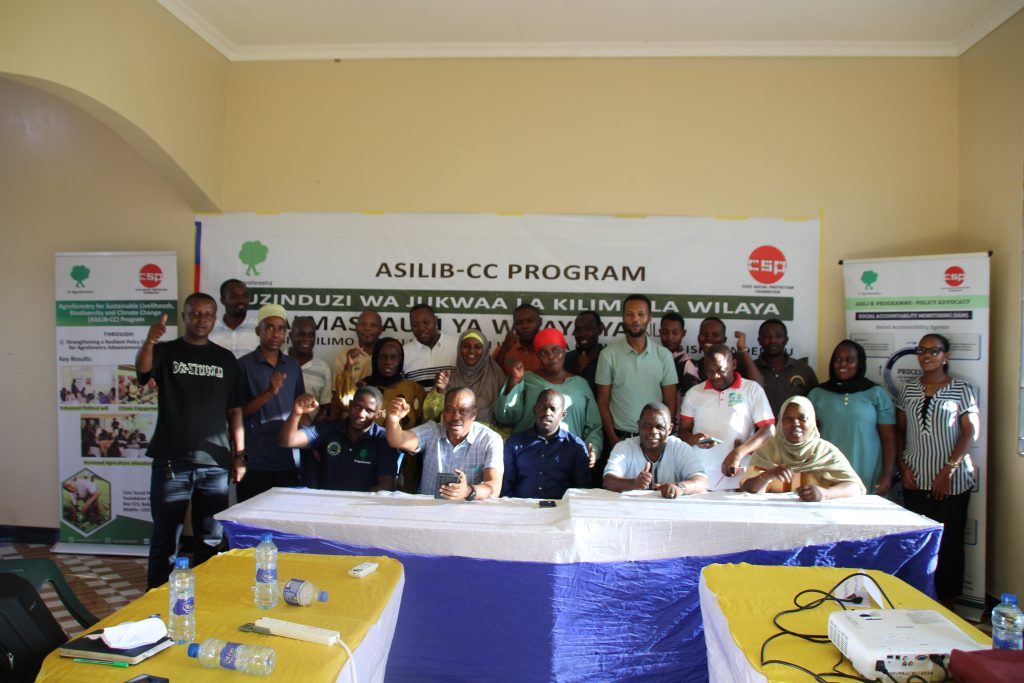
Launch of Agriculture Platform in Kilwa District Civic Social Protection Foundation (CSP), on 23 February 2026 successfully led the launch of the Kilwa District Agriculture Platform, bringing together farmers, government leaders, and development partners to strengthen smallholder agriculture and improve coordination in the sector. The platform will provide a space for farmers to share experiences, access agricultural knowledge, and engage with key stakeholders to improve productivity and sustainability. Speaking during the event, the District Commissioner noted that Lindi Region is among Tanzania’s leading sesame (ufuta) producers and highlighted the region’s large land area and small population as an opportunity for agricultural expansion. He also encouraged farmers to adopt improved farming practices, diversify crops, and balance commercial and food crop production to strengthen household food security. The government has also allocated funds for irrigation projects, while farmers were encouraged to promote environmental sustainability through agroforestry practices such as planting fruit trees. Launch of Agriculture Platform in Masasi District The Masasi District Agricultural Platform was officially launched by the District Commissioner, Hon. Rachel Kassanda on 25 February 2026, marking an important step in promoting agroforestry for economic growth and sustainable livelihoods. The platform was established through a partnership between CSP and Vi Agroforestry under the ASILIB-CC program to strengthen sustainable farming practices and improve collaboration among farmers and stakeholders. Hon. Kassanda encouraged farmers, especially youth and women, to actively participate in agroforestry and adopt improved farming practices while balancing commercial crops with food crop production to ensure household food security. The platform is expected to enhance knowledge sharing, cooperation, and sustainable agricultural development in Masasi District. Launch of Agriculture Platform in Bahi District The District Commissioner of Bahi District, Hon. Joachim Thobias Njingo, officially launched the Bahi District Agricultural Platform on 5 March 2026, established by CSP in collaboration with Chamwiilee Agro Live and supported by Vi Agroforestry. The platform brings together smallholder farmers, CSOs, council officers, ASILIB-CC beneficiaries, and local leaders to address agricultural challenges and promote sustainable solutions. During the launch, the DC emphasized the importance of environmental protection, climate change mitigation, and agroforestry to restore areas affected by deforestation and encouraged youth and women to utilize the 10% council development loan fund to strengthen agricultural activities.
Two-Day Annual Review 2025, Annual Plan and Budgeting2026 and Strategic Planning 2026-2030 Session
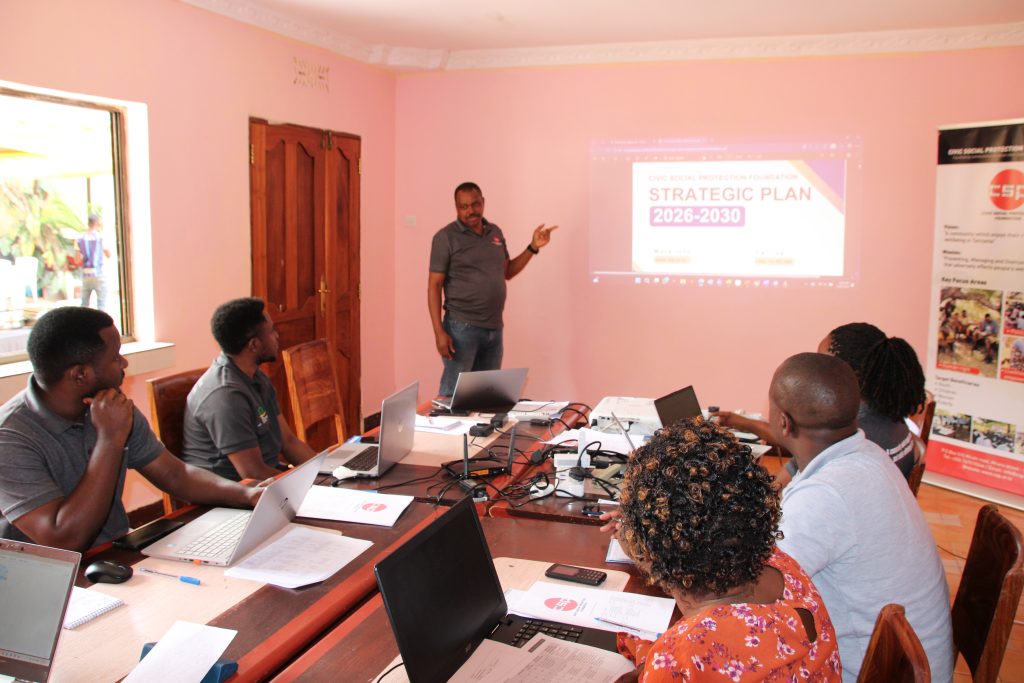
Civic Social Protection Foundation (CSP) held a two-day meeting to conduct its Annual Review for 2025, develop the Annual Plan and Budget for 2026, and review the Strategic Plan for 2026–2030. The session focused on assessing performance, reflecting on key achievements and challenges, and aligning future priorities with CSP’s mission. The discussions strengthened strategic direction and reinforced CSP’s commitment to effective planning, accountability, and impactful programming.
16 Days of Activism Against Gender-Based Violence

During the global 16 Days of Activism Against Gender-Based Violence, the Civic Social Protection Foundation (CSP) has proudly taken the opportunity to provide education and awareness to students and community members in Babati-Manyara. Our mission is clear: to stand against all forms of violence, regardless of gender, and to promote equality, dignity, and respect for every individual. Through interactive sessions, dialogues, and community outreach, CSP is empowering young people and citizens to recognize their rights, challenge harmful norms, and become advocates for a society free from violence. Together, we believe that knowledge is power, and by raising awareness we are building a safer, more inclusive future for all.
10th Agroforestry and Agriculture Symposium

CSP proudly joined the 10th Agroforestry and Agriculture Symposium organized by Vi Agroforestry. As a committed partner, we actively engaged in policy advocacy to ensure farmers’ voices are heard by relevant authorities—paving the way for inclusive and sustainable agricultural development in Tanzania.
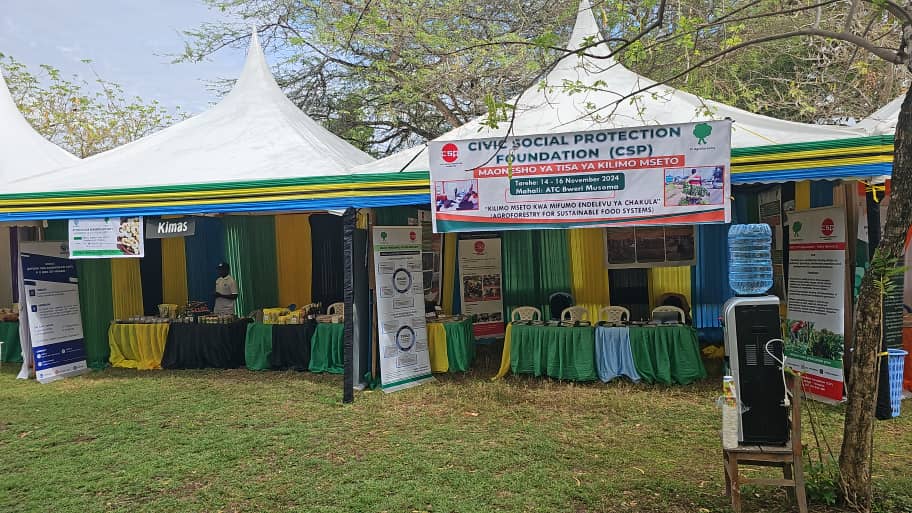
VI Agroforestry, in collaboration with the Civic Social Protection Foundation (CSP), warmly invites you to the 10th Annual Agroforestry and Agriculture Exhibition, to be held in Bweri, Musoma.
Strengthening Social Protection and Agroforestry: CSP at the ASILI-B-CC Partners Meeting
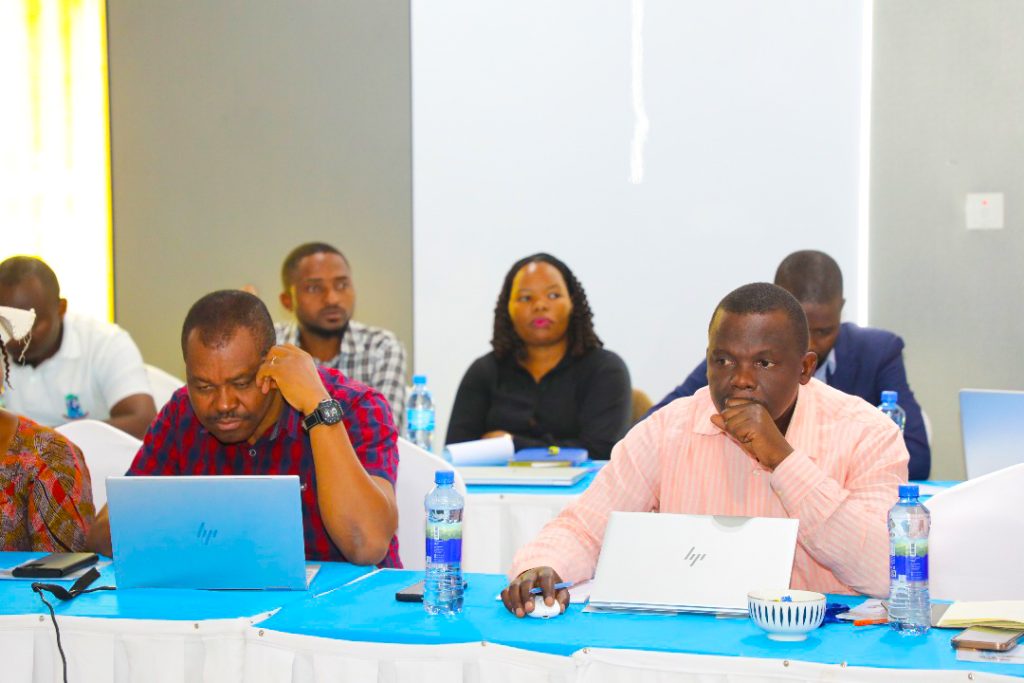
Civic Social Protection Foundation (CSP) is honored to be part of the ongoing ASILI-B-CC Partners Meeting taking place in Morogoro, hosted by Vi Agroforestry with support from Sida. This gathering brings together implementing partners from across Tanzania to strengthen collaboration, share lessons, and align on strategies that promote sustainable livelihoods, climate resilience, and gender equality. At CSP, we remain committed to advancing social protection, agroforestry, and community empowerment through inclusive and rights-based approaches that ensure no one is left behind. Together, we are building a sustainable future — empowering smallholder farmers, protecting biodiversity, and improving the wellbeing of communities.
Social accountability monitoring (sam) training to babati and mbulu district council team members
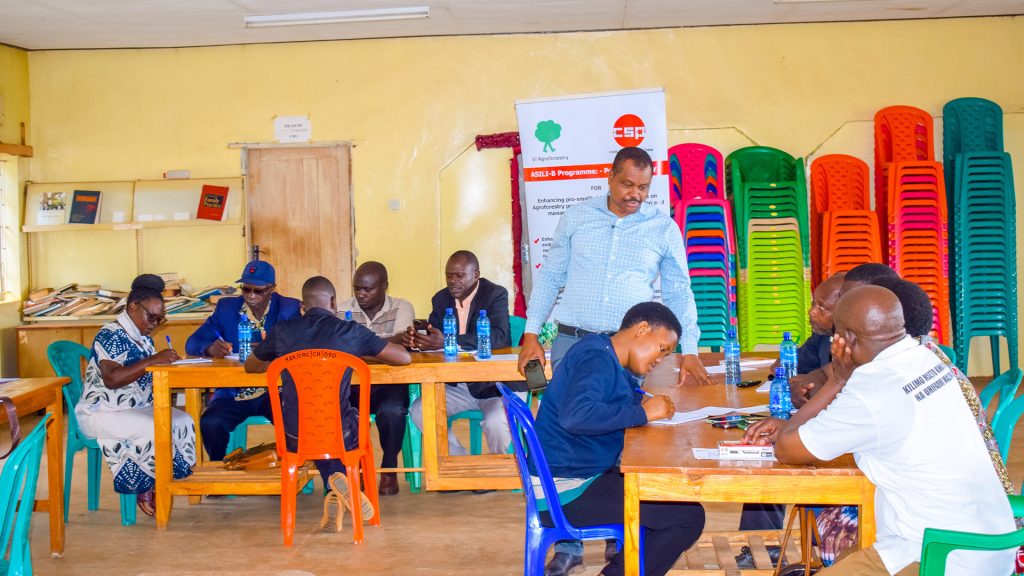
Social accountability monitoring is a tool which is used by civic actors to empower citizens to demand justification and explanation in allocation and utilization of public resource in their areas at community level. It aims at creating a sense of accountability and transparency to duty bearers and service providers in the whole process of Government’s resource management framework. CSP with financial support from NCA, has initiated a “Social Accountability Monitoring (SAM)” intervention in Manyara region through establishment, training and mentorship to SAM teams that was conducted from 7th to 11th November 2022 at White Rose Hotel in Babati town. The training which was facilitated by CSP brought in 30 participants including representatives from village PETS committees, NGO’s, Council key departments – Finance, Planning and Community development, Councillors from finance standing committees and key staff from CSP.
Scaling up impacts on adolescent sexual & reproductive health through youth health champions
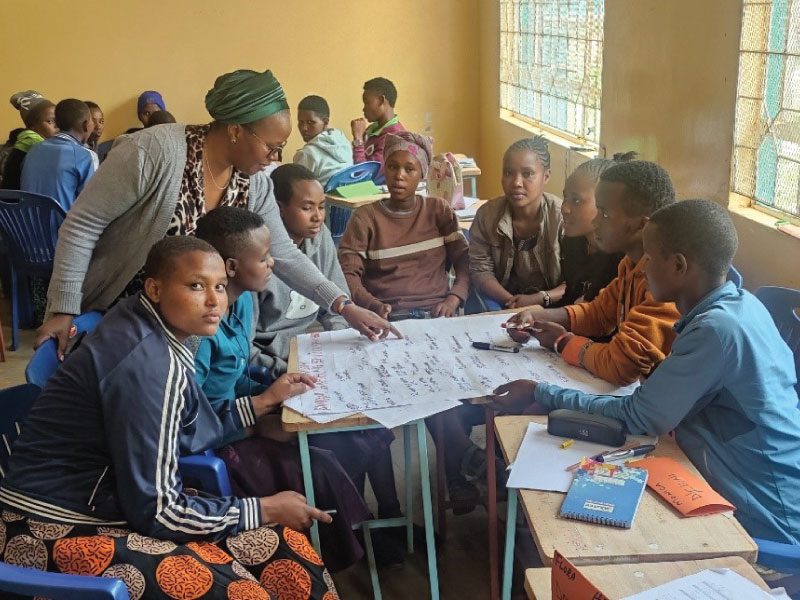
One of the intervention approaches is the use of Youth in creating awareness of Adolescent sexual and reproductive health (ASRH) issues, identifying ASRH needs among youth and adolescents, empowering girls to know and understand their capabilities so their voices can be heard and furthermost change society’s attitude, norms and behavior around Gender-based violence.